Cargo Hold Inspection
Overview
Cargo hold inspections are decision points. A vessel may be alongside with a tight loading window, yet approval depends on what is actually presented inside each hold: cleanliness standard, dryness, residue condition, and visible defects that can contaminate or damage the next cargo.
CARGOWARD® conducts cargo hold inspection in Brazil for bulk carriers with a practical objective: deliver a clear, hold-by-hold readiness assessment supported by photo evidence and unambiguous notes, so charterers, terminals, and vessel teams can align quickly on acceptance, re-cleaning scope, or risk controls.
What we check on board
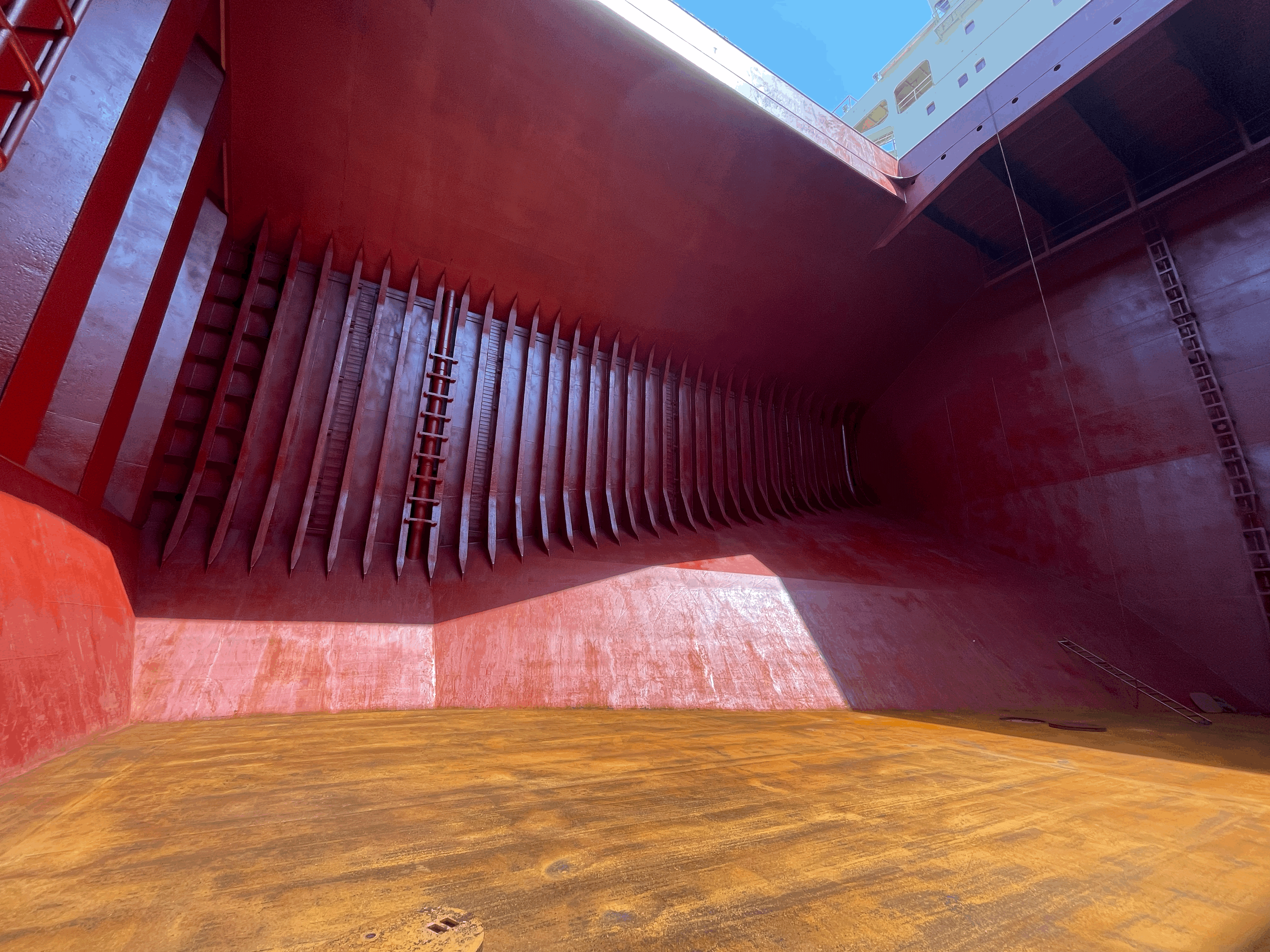
Cleanliness and cargo readiness (hold-by-hold)
Residues, staining, scale, rust flakes, and loose material relevant to cargo contamination risk
Hold structure presentation: frames, bulkheads, hopper sides, tank tops and bilges (as accessible)
Hold access condition: lighting, ladders, staging, and safe routes affecting what can be verified
Cargo contact areas reviewed for “presentation standard” required by the trade
Dryness, water ingress indicators, and bilge condition
Standing water, wet patches, weeping, active leakage indicators and drainage condition
Bilge wells/strum boxes presentation (where accessible) and visible blockages
Hatch coaming drain channels and obvious water paths observed from accessible points
Defects and risk notes that affect acceptance
Sharp edges, protrusions, exposed steel, scale/rust build-up and loose debris
Coating breakdown where it creates contamination or cargo damage risk
Temporary repairs, cover-ups, or areas not verifiable due to access restrictions
Acceptance focus (what “pass/fail” actually means)
Cargo hold inspection outcomes are reported as an operational classification aligned to what is presented at the time of attendance:
Accepted as presented
Accepted with remarks (minor findings that do not prevent loading but should be noted)
Not accepted — re-cleaning required (findings that typically trigger additional cleaning)
Not verifiable (access, lighting, safety or terminal restrictions prevented confirmation)
We do not “guess” unobserved conditions. If a corner, overhead, or bilge area cannot be safely accessed, the report states it and explains the impact on confidence.
Typical cargos and inspection drivers
Grain and agribulk: dryness, residues, odor risk, insects, rust flakes
Alumina and minerals: contamination and moisture risk, loose scale, tank top condition
Fertilizers and chemical bulk (as applicable): cross-contamination risk and residues control
Multi-grade sequences: previous cargo influence on acceptance standard
Where we operate (Brazil coverage)
We provide cargo hold inspection coverage across Brazil through a vetted network of surveyors operating under CARGOWARD® procedures and review discipline. Deployment includes, not limited to: Rio Grande, Santos, Paranaguá, Antonina, Imbituba, São Francisco do Sul, São Sebastião, Rio de Janeiro, Itaguaí, Vitória, Tubarão, Praia Mole, Salvador, Aratu, Suape, Maceió, Recife, Cabedelo, Pecém, Itaqui, Fazendinha, Macapá, Vila do Conde, Barcarena, Mosqueiro, Santarém, Itacoatiara, Manaus, Natal, Termisa Offshore Terminal — and beyond.
Availability depends on safe access, local rules, terminal restrictions, and schedule constraints.
Standards, compliance and governance
Cargo hold inspections are executed under the safety and access requirements of ports and terminals, as applicable:
SOLAS, ISM Code, ISPS Code and local terminal safety rules for access and confined-area controls
IMSBC Code context for bulk cargo handling expectations (cargo-dependent)
Terminal and charterer cleanliness standards applicable to the declared cargo and trade
We operate as a marine survey/inspection attendance service. References to industry practice do not imply representation of, or endorsement by, any class society.
Evidence and reporting
Hold acceptance decisions need clean evidence. Reporting includes:
Hold-by-hold findings with clear location notes
Photo evidence mapped to findings (where permitted)
“Presented condition” recorded without assumptions about hidden areas
Exceptions log for access limits, safety restrictions, lighting, or time constraints
Closeout summary listing which holds were accepted and which required further action
What clients receive (reporting package)
Hold-by-hold readiness summary (accept / accept with remarks / not accepted / not verifiable)
Findings list by hold section (tank top, sides, frames, bilge area as accessible)
Photo set mapped to each hold and key findings
Practical re-cleaning notes (what to target) when not accepted
Access and constraint notes that explain any verification limits
FAQ
Limitations
This is a professional cargo hold inspection based on accessible observations and documentation. It is not a Class survey and not a seaworthiness certification. Findings and conclusions are limited to:
Accessible observations under safe access and local/terminal restrictions
Documents provided or made available during attendance
No assumptions regarding concealed, inaccessible, or unobserved conditions
Outcomes may be affected by weather, lighting, access constraints, terminal operating rules, safety requirements, and the availability/quality of records provided at the time of attendance.

Deliverables
Closeout is delivered as a practical “hold acceptance pack” suitable for forwarding to charterers, terminals, and technical managers.