Condition Survey
Overview
A Condition Survey is a factual snapshot of a vessel’s apparent condition at a defined time and place. CARGOWARD® provides independent condition surveys in Brazilian ports to support technical decisions, handover discussions, and claim prevention. The survey focuses on what can be safely accessed and verified during attendance, with clear boundaries on restricted or non-accessible areas.
Reporting is structured for practical use: findings are organized by vessel area, each relevant point is backed by photo evidence where permitted, and exceptions are recorded when access, lighting, weather, or terminal rules limit verification.
What we do
Inspection scope
Inspect accessible areas relevant to the request and operational context.
Record apparent damage, defects, and abnormal conditions with location references.
Capture photo evidence and measurement notes where feasible and permitted.
Area-by-area inspection structure
Findings are grouped so the report can be reviewed quickly by technical managers:
Area / system | Typical checks (as applicable) | Output |
|---|---|---|
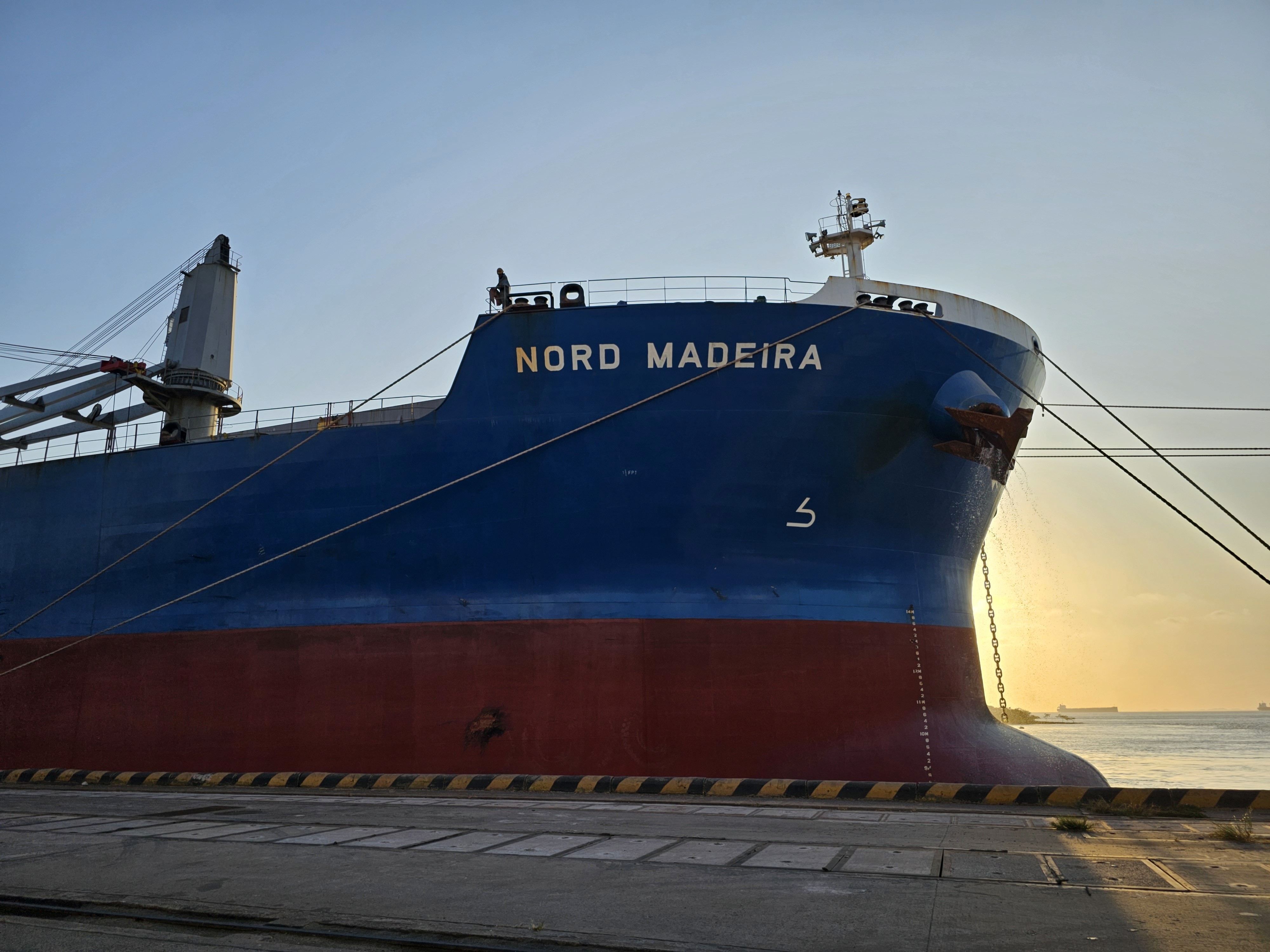
Hull & topsides (visible) | coating breakdown, dents, deformation, corrosion hotspots | photos + location notes |
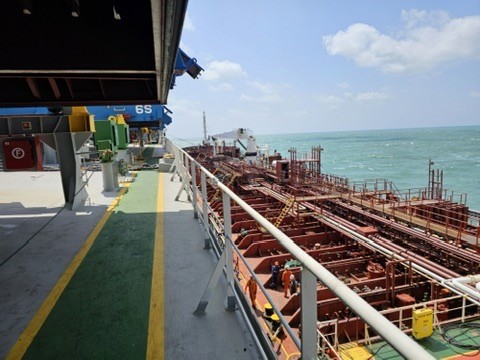
Deck & safety critical items | rails, ladders, walkways, signage, obvious hazards | photos + exceptions |
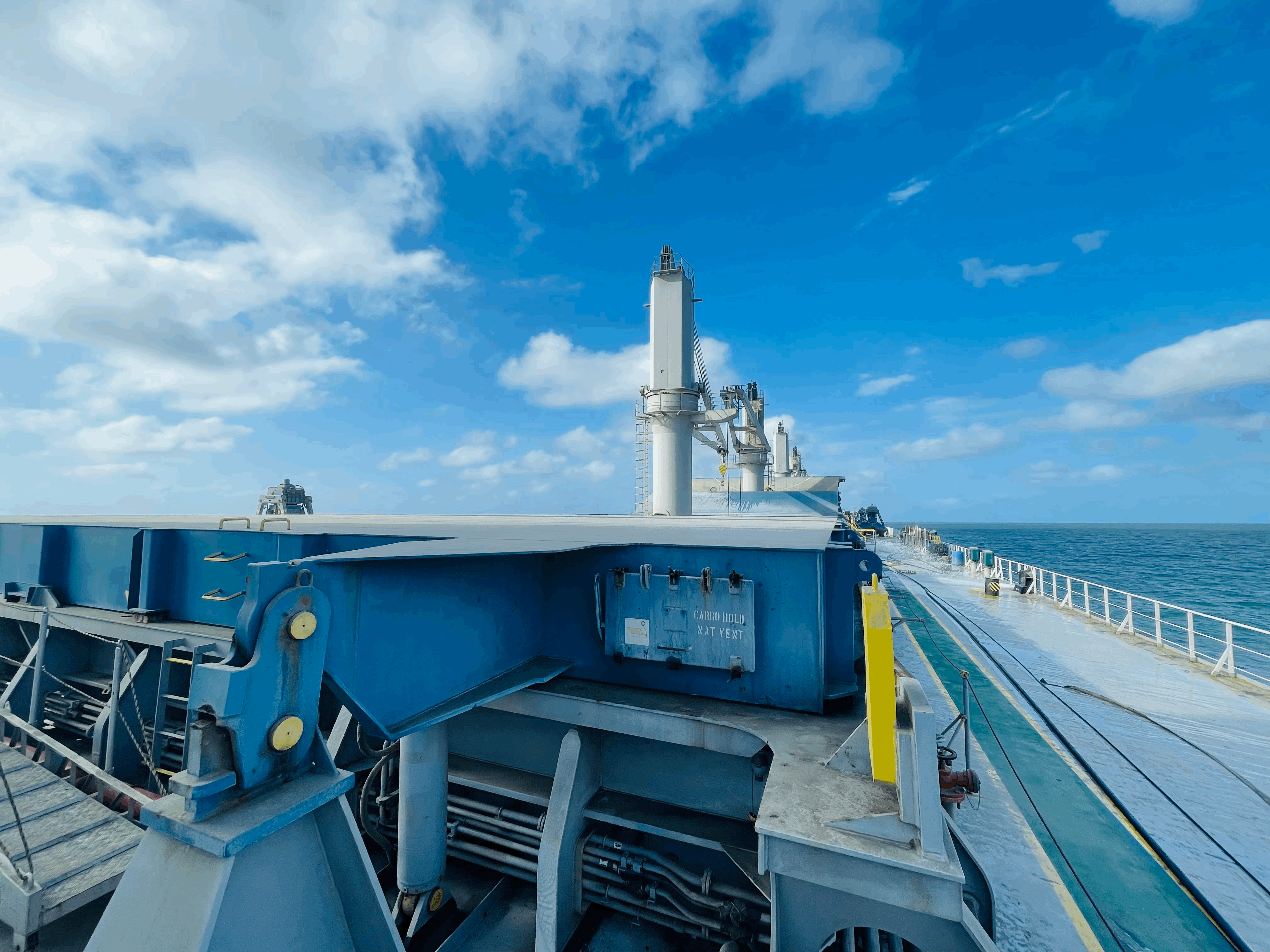
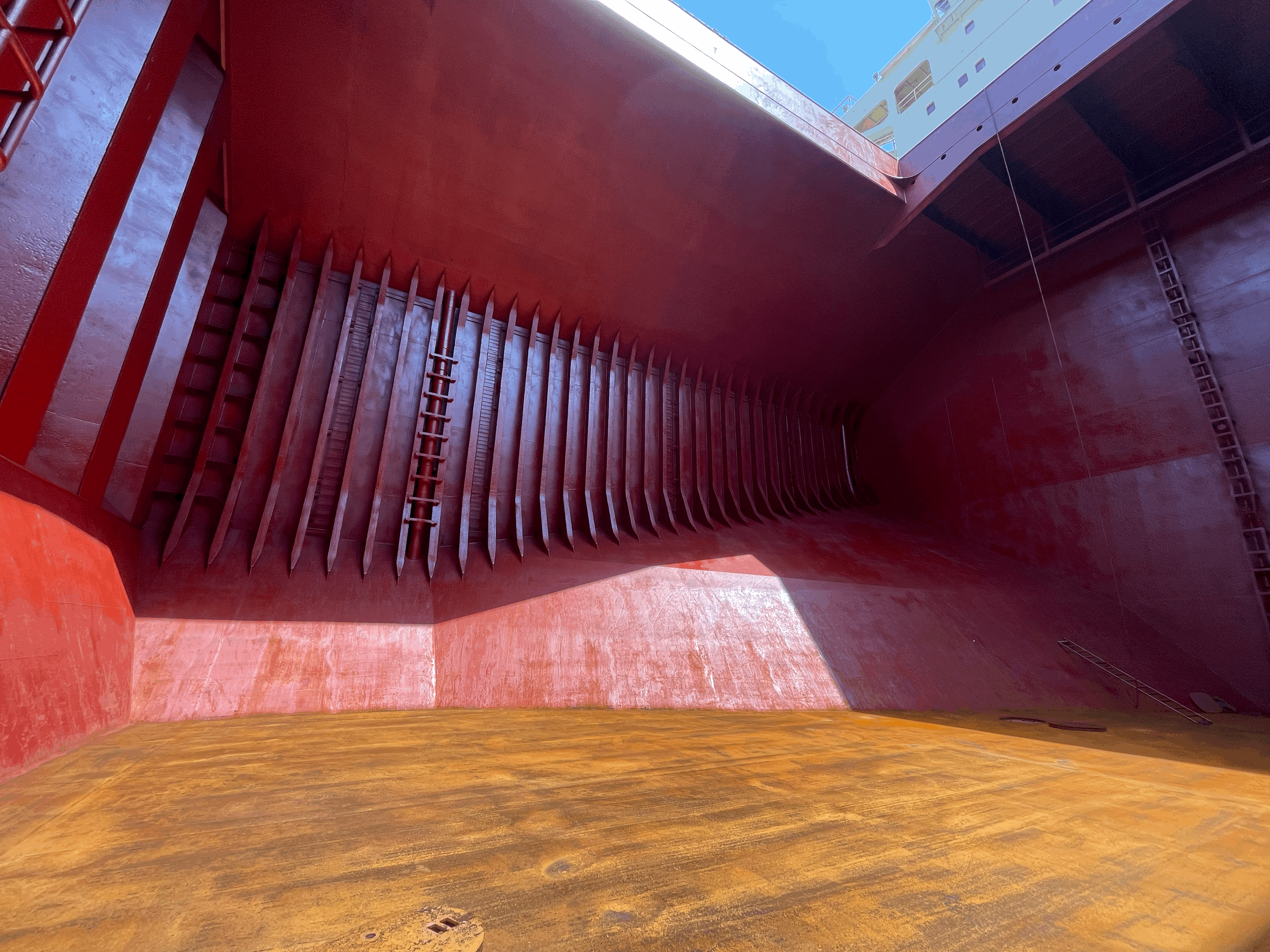
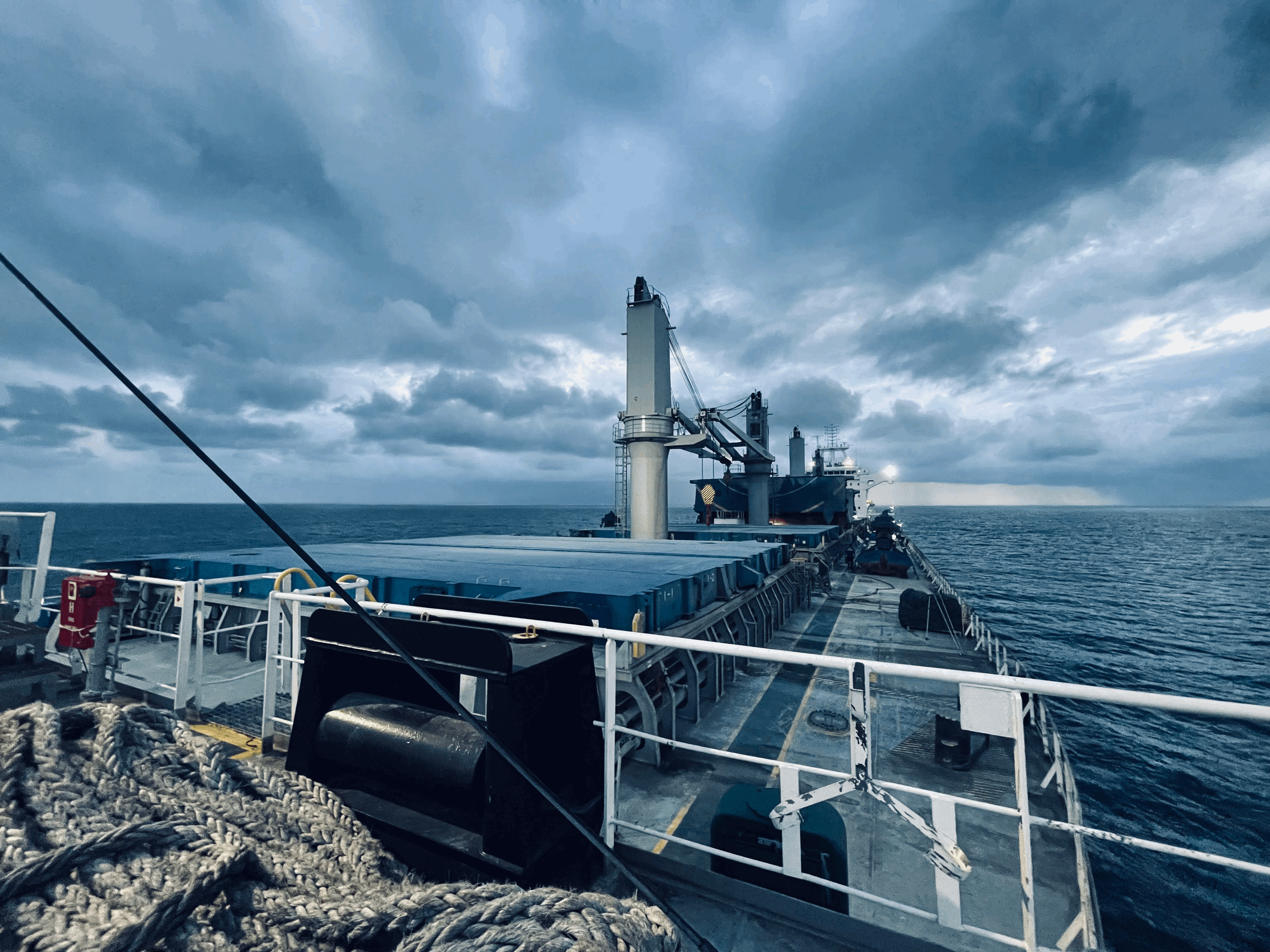
Cargo areas (as accessible) | hatch coamings, hatch covers condition, gaskets, drainage, hold entrances | photos + notes |
Mooring & access interfaces | fairleads, bitts, gangway area, access routes | photos + constraints |
Superstructure (accessible) | doors, windows, external structure condition | photos + notes |
Machinery spaces (if granted) | visible leaks, housekeeping indicators, obvious abnormalities | bounded observations |
Exceptions and boundaries
Every report states what was accessible, what was restricted, and the practical impact on conclusions.
No assumptions are made about concealed conditions, internal structural integrity, or areas not accessed.
Where we operate
We mobilize condition surveys across Brazil through a vetted network of surveyors operating under CARGOWARD® procedures and review discipline. Coverage includes, not limited to: Rio Grande, Santos, Paranaguá, Antonina, Imbituba, São Francisco do Sul, São Sebastião, Rio de Janeiro, Itaguaí, Vitória, Tubarão, Praia Mole, Salvador, Aratu, Suape, Maceió, Recife, Cabedelo, Pecém, Itaqui, Fazendinha, Macapá, Vila do Conde, Barcarena, Mosqueiro, Santarém, Itacoatiara, Manaus, Natal, Termisa Offshore Terminal — and beyond.
Availability depends on safe access, local rules, terminal restrictions, and schedule constraints.
Standards, compliance and governance
Condition survey attendance is executed under safety and access rules applicable to the port/terminal environment:
SOLAS, ISM Code, ISPS Code and local port/terminal safety requirements
Flag/terminal/port rules governing safe access, PPE, and restricted zones
HSQE controls and documented inspection discipline
We operate as an independent survey/inspection service. References to industry practice do not imply representation of, or endorsement by, any class society.
Governance applied per job:
Scope confirmation (areas requested, access expectations, timing).
Inspection checklist discipline aligned to the use-case.
Findings written as observed facts with supporting evidence.
Deviations and access restrictions recorded at the time they occur.
Management practices are implemented consistent with ISO 9001, ISO 14001, ISO 45001, and ISO 37001 management practices.
Evidence and reporting
Condition surveys depend on evidence quality and traceability. Reporting includes:
Area-by-area findings list with location references.
Photo set mapped to findings (where permitted).
Document register listing what was provided and relied upon (if applicable).
Clear separation of observed vs not observed due to access constraints.
Bounded conclusions suitable for technical review and dispute prevention.
Typical use-cases
Pre-loading or pre-operation condition snapshot requested by owners/charterers.
On-hire/off-hire support where an evidence pack is required (as contracted).
Post-incident condition recording to support follow-up decisions and claims handling.
Port-call inspection where time is limited and a disciplined record is needed.
What our clients receive
Scope and access statement (what was requested vs what was accessible).
Findings organized by vessel area, written as observed facts.
Photo evidence mapped to findings, with timestamps where available.
Exceptions and constraints log (restricted areas, safety limits, terminal rules).
Summary of material observations and recommended follow-up actions (non-prescriptive).
FAQ
Limitations
This is a professional condition survey based on accessible observations and documentation. It is not a Class survey and not a seaworthiness certification. Findings and conclusions are limited to:
Accessible observations under safe access and local/terminal restrictions
Documents provided or made available during attendance
No assumptions regarding concealed, inaccessible, or unobserved conditions
Outcomes may be affected by weather, lighting, access constraints, terminal operating rules, safety requirements, and the availability/quality of records provided at the time of attendance
Deliverables
The survey closeout package is issued as a structured file set suitable for technical circulation and audit review.