Draft Survey
Overview
CARGOWARD® provides independent draft survey attendance in Brazilian ports to support cargo quantity determination by displacement methodology. Attendance is executed under controlled procedures, checklist discipline, and evidence rules, separating what was observed from what could not be verified under safe access, visibility, sea state, or terminal constraints.
Reports are written to remain stable under scrutiny: neutral, structured, and traceable without advocacy. Draft readings, density basis, correction logic, and calculation inputs are documented and mapped to logs, timestamps (where available), and the records provided at the time of attendance. This service supports shipowners, charterers, traders, and P&I correspondents who require a defensible quantity determination record across the vessel–terminal interface.
What we do
Draft survey attendance
Planned attendance for initial and final draft readings, aligned to safe access and operational windows.
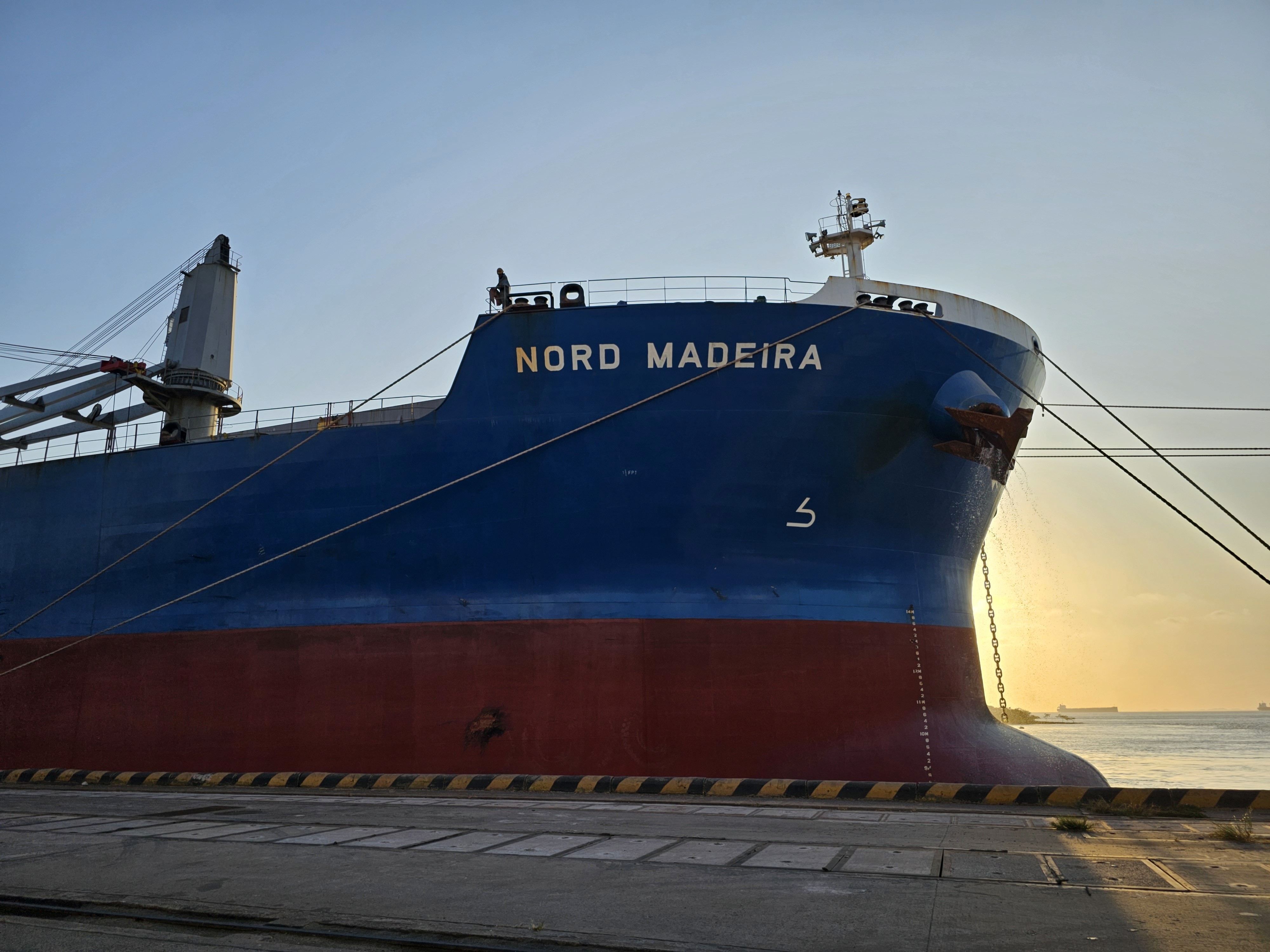
Draft marks condition and visibility recorded as a reliability factor.
Reading sequence documented to preserve consistency and traceability.
Quantity determination by displacement
Displacement calculation using vessel hydrostatic data and documented inputs.
Trim and list correction applied where relevant and stated clearly in the calculation pack.
Consumables and ballast basis recorded when required for the agreed calculation approach.
Density basis and measurement discipline
Water density basis recorded as used in the calculation (measured where feasible; otherwise sourced as available and stated).
Method and limitations explicitly stated when density could not be measured or verified under safe conditions.
Exception-led governance
Deviations and constraints logged without speculation, including access limits, swell/visibility, terminal restrictions, time limitations, or missing records.
Impact on confidence stated clearly, tied to specific constraints and evidence availability.
Where we operate
We provide Brazil-wide coverage through a vetted network of experienced surveyors operating under CARGOWARD® procedures, templates, and review discipline. Deployment is available across Brazil including, not limited to: Rio Grande, Santos, Paranaguá, Antonina, Imbituba, São Francisco do Sul, São Sebastião, Rio de Janeiro, Itaguaí, Vitória, Tubarão, Praia Mole, Salvador, Aratu, Suape, Maceió, Recife, Cabedelo, Pecém, Itaqui, Fazendinha, Macapá, Vila do Conde, Barcarena, Mosqueiro, Santarém, Itacoatiara, Manaus, Natal, Termisa Offshore Terminal — and beyond.
Coverage statements describe operational capability and mobilization planning. Availability is always subject to safe access, local rules, terminal restrictions, and schedule constraints.
Standards, compliance and governance
Survey planning and reporting are prepared for the compliance environment encountered in port operations, as applicable:
SOLAS, MARPOL, ISM Code, ISPS Code, FAL Convention
IMSBC Code (bulk cargo environment as applicable) and terminal rules relevant to safe access and operations
Flag, terminal, and port requirements and local safety rules governing access and operations
Professional competence includes exposure to class society expectations and survey practice conventions, including DNV, Lloyd’s Register (LR), ClassNK, ABS, and others as applicable. This does not imply representation of, or endorsement by, any class society.
Governance controls applied on each job:
Scope definition and survey plan: what will be verified, what evidence will be collected, and where interfaces exist (vessel, terminal, agents).
Traceable approvals and audit trail: scope changes, deviations, and material communications recorded and referenced.
Documented deviations and exception handling: when constraints prevent verification, the report states the limitation and the impact on confidence.
Anti-corruption controls (zero tolerance): gifts and hospitality restrictions, conflict-of-interest declarations where required, traceable approvals, and controlled communications.
Management practices are implemented consistent with ISO 9001, ISO 14001, ISO 45001, and ISO 37001 management practices. Operational safety and execution discipline are managed under HSQE controls and documented procedures.
Evidence and reporting
CARGOWARD® draft survey reporting is evidence-led and structured to remain stable under scrutiny.
Evidence controls:
Observed vs not observed separation: each section states what was accessed and verified, and what could not be confirmed.
Reading and calculation traceability: material figures reference draft reading logs, correction basis, and calculation inputs.
Time logic: timestamps recorded where available; chronology preserved for initial readings, operational milestones affecting attendance, and final readings.
Document register: list of records reviewed, identifiers/versions where available, and the role they played in the calculation.
Reporting discipline:
Neutral language, bounded conclusions, and explicit confidence qualifiers tied to access conditions and record availability.
No assumptions about concealed conditions or unverifiable inputs.
Typical use-cases
Cargo quantity determination support for bulk cargo operations where displacement methodology is applicable.
Independent attendance to reduce dispute over quantity determination inputs, correction basis, or operational constraints.
Reconciliation support where ship and shore figures diverge and a traceable calculation pack is required.
Exception-led governance when port windows are tight and access, sea state, or documentation quality affects certainty.
What clients receive
Reports are designed to be operationally usable and auditable:
Scope and access statement: what was requested, what was accessible, and under what conditions.
Draft reading log: readings recorded with context notes affecting reliability (visibility, swell, access).
Calculation pack: inputs listed, correction logic stated, hydrostatic reference basis recorded, and reconciliation notes included.
Evidence index: mapping of photos (where permitted), logs, and records to each material figure and conclusion.
Exception handling: deviations, restrictions, and decision points recorded without speculation.
Clear conclusions: factual and bounded; no assumptions about concealed conditions.
FAQ
Limitations
This is a professional draft survey attendance service based on accessible observations and documentation. It is not a Class survey and not a seaworthiness certification. Findings and conclusions are limited to:
Accessible observations under safe access and local/terminal restrictions
Documents provided or made available during attendance
No assumptions regarding concealed, inaccessible, or unobserved conditions
Outcomes may be affected by weather, sea state, visibility, access constraints, terminal operating rules, safety requirements, draft marks condition, and the availability/quality of records provided at the time of attendance.
Deliverables
Each engagement is executed under a controlled workflow: scoped attendance, evidence capture with traceability, and reporting written for operational decisions and audit review.