Cargo Hold Cleaning

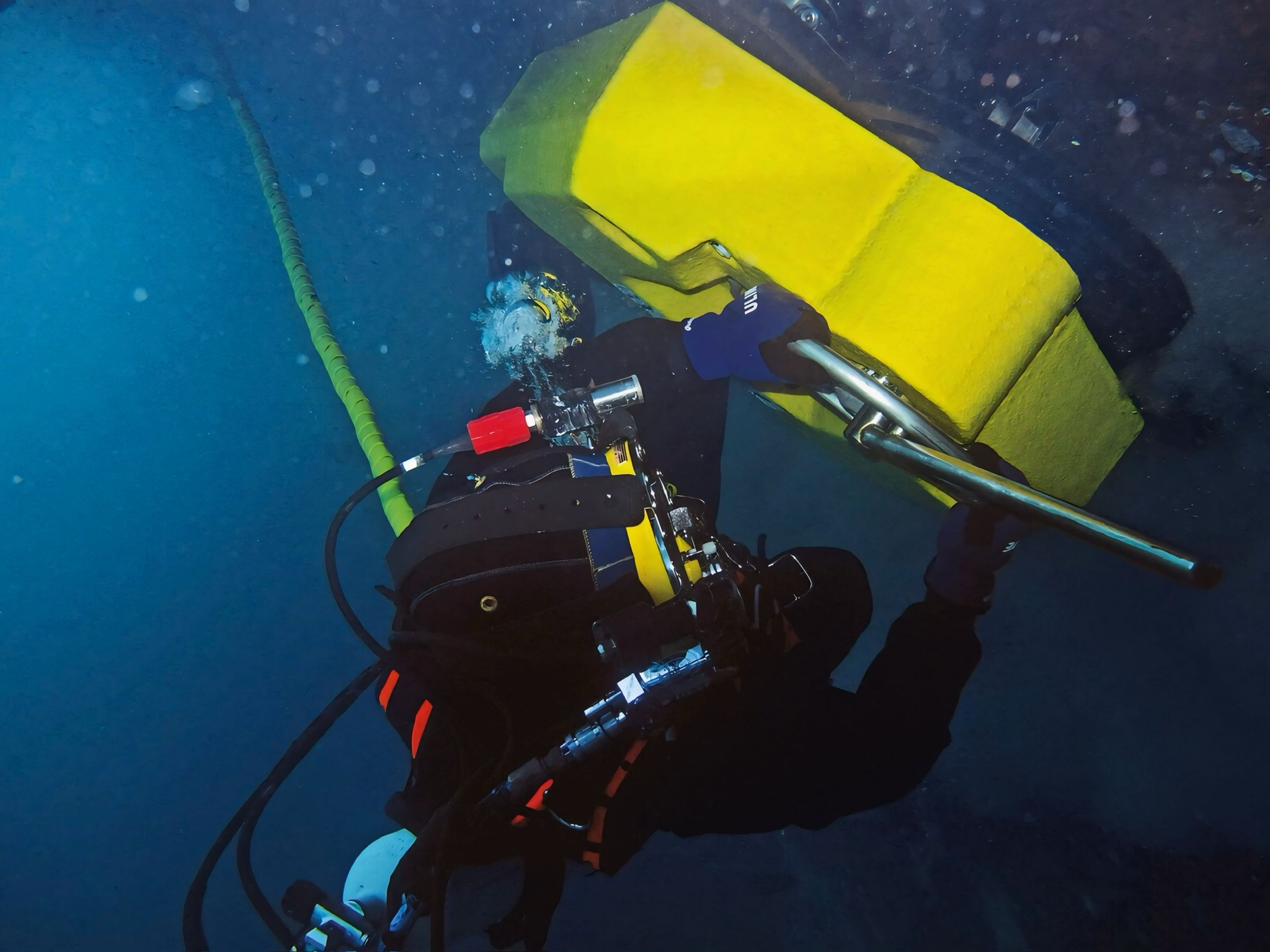

Overview
CARGOWARD® provides cargo hold cleaning in Brazil for bulk carriers and general cargo vessels calling Santos, Paranaguá, Vitória and Itaqui, as well as other ports available in our operational request form. We deliver a controlled, cargo-driven scope aligned to your next cargo, port constraints and the readiness expectations commonly applied by terminals, charterers and surveyors.
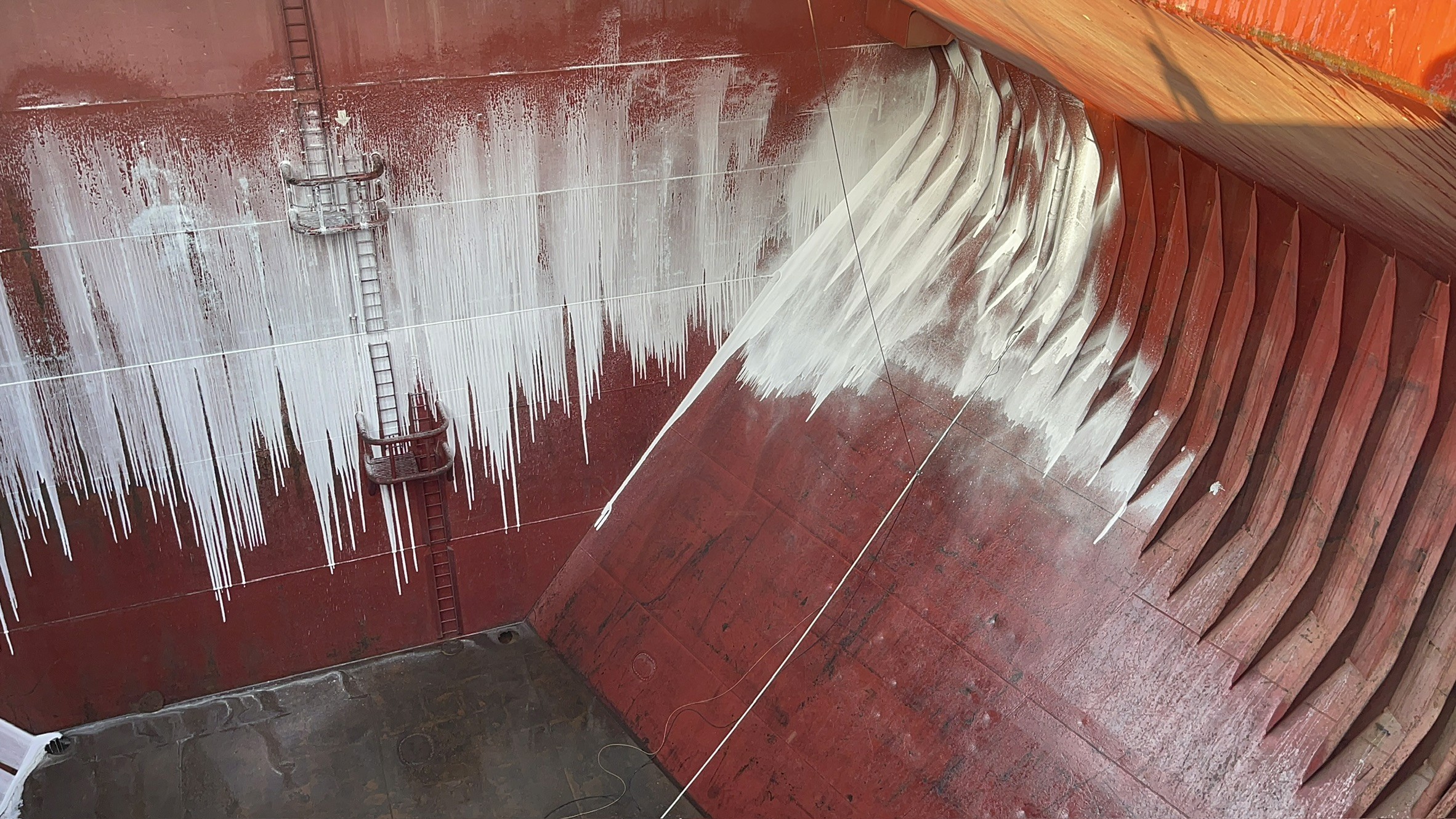
This service is built around operational outcomes—not generic wording. Depending on hold condition and target standard, our scope may include chemical-assisted cleaning using proven products (e.g., AquaTuff or equivalent), residue removal and wash-down, de-rusting / surface preparation, and—when required to reach the agreed target—touch-up coating or repainting of defined hold areas. Work is planned hold-by-hold with practical checkpoints and a documented close-out package.
Commercial option: No Cure, No Pay. Where agreed in writing, cargo hold cleaning can be performed under a “no cure, no pay” arrangement tied to a defined readiness target (the “cure”), scope boundaries and an agreed acceptance methodology set before mobilization. This framework is designed to reduce rework and protect operational decisions while keeping constraints transparent from the start.
For a fast plan and pricing, send port + ETA/ETD + last cargo + next cargo/target standard. We confirm feasibility and propose the most efficient sequence to reach the required readiness level without unnecessary steps.
Typical scopes (what clients usually request)
Grain and sugar readiness
Chemical-assisted wash-down (AquaTuff or equivalent, as applicable) and residue removal
Hold-by-hold progression with checkpoints and punchlist closure
Drying/ventilation oversight where required by the target and the operational window
Higher cleanliness targets for sensitive cargoes (e.g., pulp/cellulose)
Enhanced residue control and contamination-risk reduction steps aligned to the required target
Focus on clean, neutral surfaces where cargo sensitivity is critical
“Hospital clean” style targets confirmed case-by-case based on time window and hold condition
Hold reconditioning when condition drives acceptance risk
Targeted de-rusting / surface preparation where corrosion, scale or staining impacts readiness
Touch-up coating / repainting of defined areas when required to meet the agreed target (feasibility and curing constraints confirmed case-by-case)
Ports and execution modes in Brazil
We routinely support operations in Santos, Paranaguá, Vitória and Itaqui, and evaluate additional Brazilian ports based on ETA/ETD, terminal rules and logistics. Execution may be alongside or—where permitted and feasible—at anchorage. We confirm the safest and most efficient mode after reviewing local constraints and your working window.
Information required to mobilize
Port/terminal (or anchorage) and intended execution mode (alongside / anchorage)
ETA/ETD and available working window
Number of holds and access constraints (lighting, staging, ventilation capability)
Last cargo (and known residue/contamination concerns)
Next cargo and required readiness target (grain/sugar, pulp/cellulose, higher cleanliness target)
Coating condition notes (peeling, heavy rust, known problem areas)
Any charterer/receiver/surveyor expectations or deadlines
What you receive
Defined readiness target and scope confirmation aligned to next cargo
Controlled execution with hold-by-hold checkpoints and punchlist closure
Evidence pack (before/during/after photos) with exceptions/constraints
Completion summary for operational records and stakeholder alignment
"No Cure, No Pay" basis
How “cure” is defined
“Cure” refers to the agreed readiness target and the scope required to achieve it, set before mobilization—including any agreed surface preparation or coating work where applicable.
What it covers
When applicable, the arrangement covers the CARGOWARD® cleaning scope performed under the agreed method and checkpoints, supported by evidence and close-out notes.
What it does not override
This framework does not override port/terminal restrictions, safety constraints, coating/structural limitations identified during execution, or third-party criteria outside the agreed acceptance methodology. Exclusions and third-party costs (if any) are clarified in the scope confirmation. For reference, please consult our Terms of Service or reach out to our operations team.
Notes and limitations
Acceptance
Final acceptance may depend on terminal/surveyor/receiver criteria and hold condition. We commit to the agreed scope and target, and support inspection preparation through evidence and structured execution.
Condition-dependent outcomes
Coating breakdown, structural defects or permanent staining may require additional scope (including coating work) to meet higher targets—these constraints are flagged early to prevent surprises.
Deliverables
Deliverables are structured to keep execution predictable and inspection-ready: a defined target, controlled progression, documented exceptions and a close-out evidence package. Where “no cure, no pay” is agreed, deliverables also support verification of the defined “cure”.
FAQ
Q1) What does “cargo-ready” mean for cargo hold cleaning?
A: Cargo-ready is defined against the next cargo and its contamination sensitivity. The acceptance target is agreed upfront and aligned to terminal/charterer expectations and practical port-call constraints.
Q2) Which areas are typically included in a controlled hold cleaning scope?
A: Scope is set by zones and interfaces—typically tank top areas, bilges, frames, ladders, upper/hopper regions, drainage points, and hatch-related interfaces—confirmed in a scope map before execution.
Q3) How do you align the cleaning method to the previous and next cargo?
A: Method is cargo-driven: residue type and contamination risk define the sequence (wash-down, hydro-jetting where required, chemical logic when applicable, and mechanical removal), bounded by coating/steel condition and time window.
Q4) Do you support surveyor/terminal readiness checks?
A: Yes—close-out documentation is structured to support technical review by surveyors/terminals based on the agreed acceptance criteria. Final acceptance remains with the responsible party and the contracted scope.
Q5) What evidence and close-out documentation do clients receive?
A: Clients receive a close-out dossier stating executed scope by zones, constraints encountered, and an evidence set (photos/notes where applicable) to keep readiness auditable.
Q6) Do you provide chemical wash-down and hydro-jetting?
A: Where appropriate and permitted by scope and conditions, we can apply hydro-jetting and chemical logic to reduce stubborn residues and improve readiness—always bounded by the agreed target and surface condition.
Q7) Can de-rusting and touch-up painting be included?
A: Yes, targeted de-rusting and touch-up painting can be included when requested, subject to access, surface condition, and the port call window.
Q8) How do you reduce commercial risk (claims, delays, disputes)?
A: By defining acceptance criteria upfront, documenting execution by zones, and using QA gates with a clear close-out dossier—so readiness is verifiable against the agreed target.
Q9) Where do you operate in Brazil?
A: Cargo hold cleaning is mobilized across Brazilian ports and anchorages subject to feasibility and port rules. See the Port Coverage list and confirm availability for your vessel call.
Q10) Is “No Cure, No Pay” available for hold cleaning scopes?
A: Commercial terms depend on scope definition and acceptance criteria. Where applicable, terms may include performance-linked conditions aligned to the agreed target and recorded close-out.