Tank Cleaning (HFO/VLSFO)

Overview
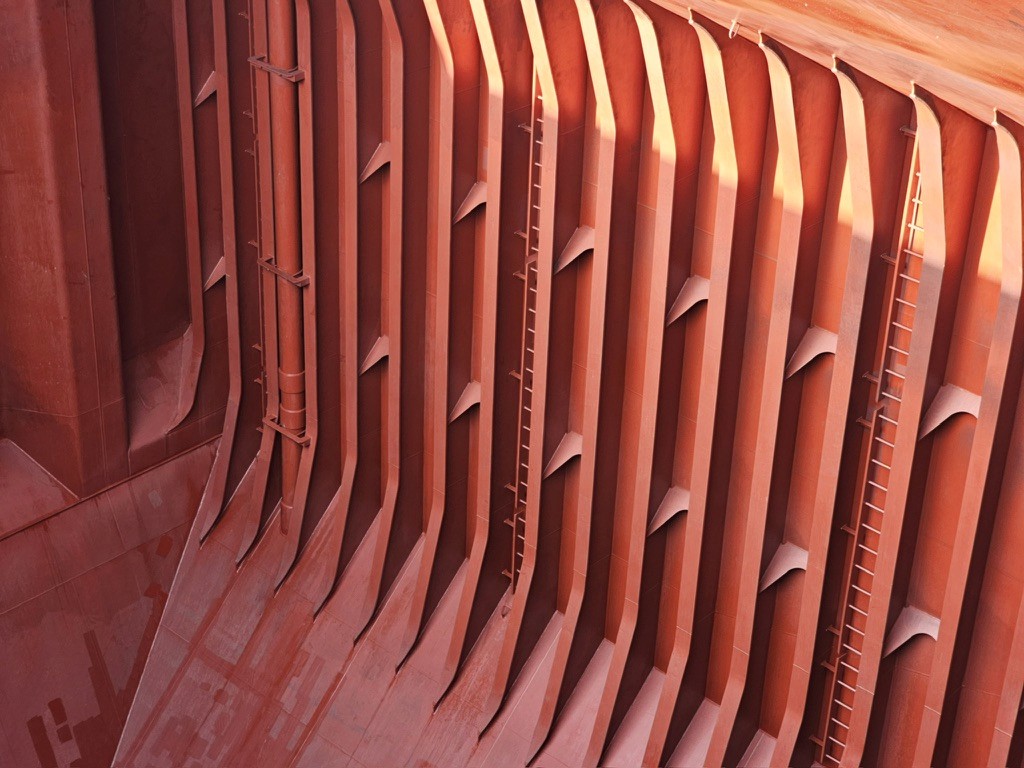
When HFO/VLSFO tanks start causing operational friction—sediment build-up, wax/asphaltene deposits, transfer restrictions, unstable heating/viscosity control—waiting is usually what makes the next port call harder. CARGOWARD® provides fuel tank cleaning in Brazil with a practical, engineered approach: scope definition first, controlled execution next, and a documented close-out at the end.
Our engineering team and chemical engineering team define the cleaning logic (residue type, compatibility, sequence, risk controls). The shore gang executes the operation under shipboard safety management, with clear checkpoints and waste-stream discipline. Where the port workflow requires it, we coordinate slops/sludge reception and disposal interfaces with approved facilities and the relevant documentation trail (port-dependent).
To quote and mobilize quickly, send port/anchorage + ETA/ETD + tank list/volumes + residue symptoms/type + estimated slops/sludge volumes + any gas-free requirement. We revert with feasibility, sequence and a controlled plan aligned to your schedule.
What we do
HFO/VLSFO tank cleaning
Residue breakdown and removal using compatible cleaning agents and controlled methods, selected by our chemical engineering team
Practical mechanical steps where feasible and safe
Controlled transfers and separation steps aligned to ship procedures and the available time window
Slops / sludge handling and port reception interface
Segregation of waste streams (slops vs sludge) to keep the operation controlled
Coordination of reception logistics with approved facilities (port-dependent availability)
Documentation discipline supporting traceability of offload/reception chain (as required by local workflow)
Gas-free readiness interface (when required)
Support to the gas-free preparation workflow and third-party certification interface, where applicable and feasible under port and vessel constraints
Where we operate
We support fuel tank cleaning in major Brazilian ports and, where permitted and feasible, at anchorage—always subject to local rules, terminal constraints and safety requirements. If your port is listed in our request form, it means we can assess feasibility and propose a controlled execution plan for that location.
Information required to mobilize
Port/anchorage and operation mode (alongside / anchorage), plus local constraints
ETA/ETD and working window
Tank list (HFO/VLSFO storage/settling/service) and approximate volumes
Residue type and symptoms (wax/asphaltene/sediment/sludge, transfer issues, etc.)
Estimated slops/sludge quantities and any segregation expectations
Whether gas-free certification is required, and any repair/inspection deadlines
Vessel constraints (access, ventilation capability, heating system considerations, safety restrictions)
What you receive
Scope confirmation and an engineered execution sequence (methods, controls, checkpoints)
Slops/sludge handling plan and reception/disposal interface coordination (port-dependent)
Close-out summary with scope performed, constraints, and evidence notes (as applicable)
Readiness notes supporting subsequent operations (including gas-free workflow interface where applicable)
Notes and limitations
Port workflows differ
Reception availability, transfer constraints and documentation formats vary by port. We confirm the applicable workflow during scope confirmation.
Safety and access govern the method
Access, ventilation and shipboard safety requirements define what can be executed and how. Any limitations are flagged early to prevent surprises.

Deliverables
Deliverables are built for operational control and traceability: defined scope, risk controls, documented waste-stream handling (port-dependent), and a close-out summary that supports internal records and stakeholder alignment.
FAQ
Q1) What is included in VLSFO/HFO tank cleaning and sludge management?
A: Scope is defined per tank list and residue profile and may include controlled residue removal (e.g., hydro-jetting), ventilation, atmospheric testing checkpoints, and documented waste handling/traceability aligned to the agreed end-state.
Q2) What end-states can you work to (return-to-service, inspection readiness, gas-free entry, hot work readiness)?
A: The job is planned around a defined end-state: return-to-service, inspection readiness, gas-free for entry, or gas-free / controlled conditions for hot work. Boundaries and acceptance criteria are established before execution.
Q3) How do you control safety for tank work and confined spaces?
A: Execution is governed by permit-to-work discipline with defined isolation/LOTO boundaries, ventilation strategy, PPE and gas-testing checkpoints (e.g., O₂ / LEL / H₂S where relevant), with records maintained as part of the close-out.
Q4) Do you issue a Gas Free Certificate?
A: Where applicable, a Gas Free Certificate may be issued with defined scope boundaries and documented verification readings to support safe entry and/or continuation under hot work controls.
Q5) How is sludge disposal documented for compliance and audits?
A: Waste handling is treated as a compliance deliverable: segregation (sludge vs contaminated liquids vs solids), containment, transfer notes/receipts where applicable, and final disposal documentation through approved channels—compiled into an audit-ready close-out pack.
Q6) Which tanks and interfaces are typically covered?
A: Typical scope includes storage, settling and service tanks, and may extend to associated transfer lines, strainers, and related spaces where fuel handling integrity and system reliability are critical.
Q7) How do you reduce rework risk during residue removal?
A: Work is sequenced to manage access and protect equipment interfaces, using controlled removal methods and checkpoints aligned to the defined end-state and constraints of the port call window.
Q8) How do you support fuel-system risk controls for VLSFO operations?
A: Planning considers residue variability and fuel-system risk factors such as sludge stability, contamination carryover, water ingress, and compatibility-related deposit formation, with documentation showing what was cleaned and what was removed.
Q9) Where do you operate in Brazil?
A: Operations are supported across Brazilian ports and anchorages subject to port rules, permits and feasibility. See the coverage list and confirm availability per vessel call.
Q10) What do clients receive at close-out?
A: A structured close-out dossier covering scope and outcomes, records/checklists (as applicable), certificate(s) where applicable, and sludge/waste chain-of-custody documentation suitable for governance and third-party review.