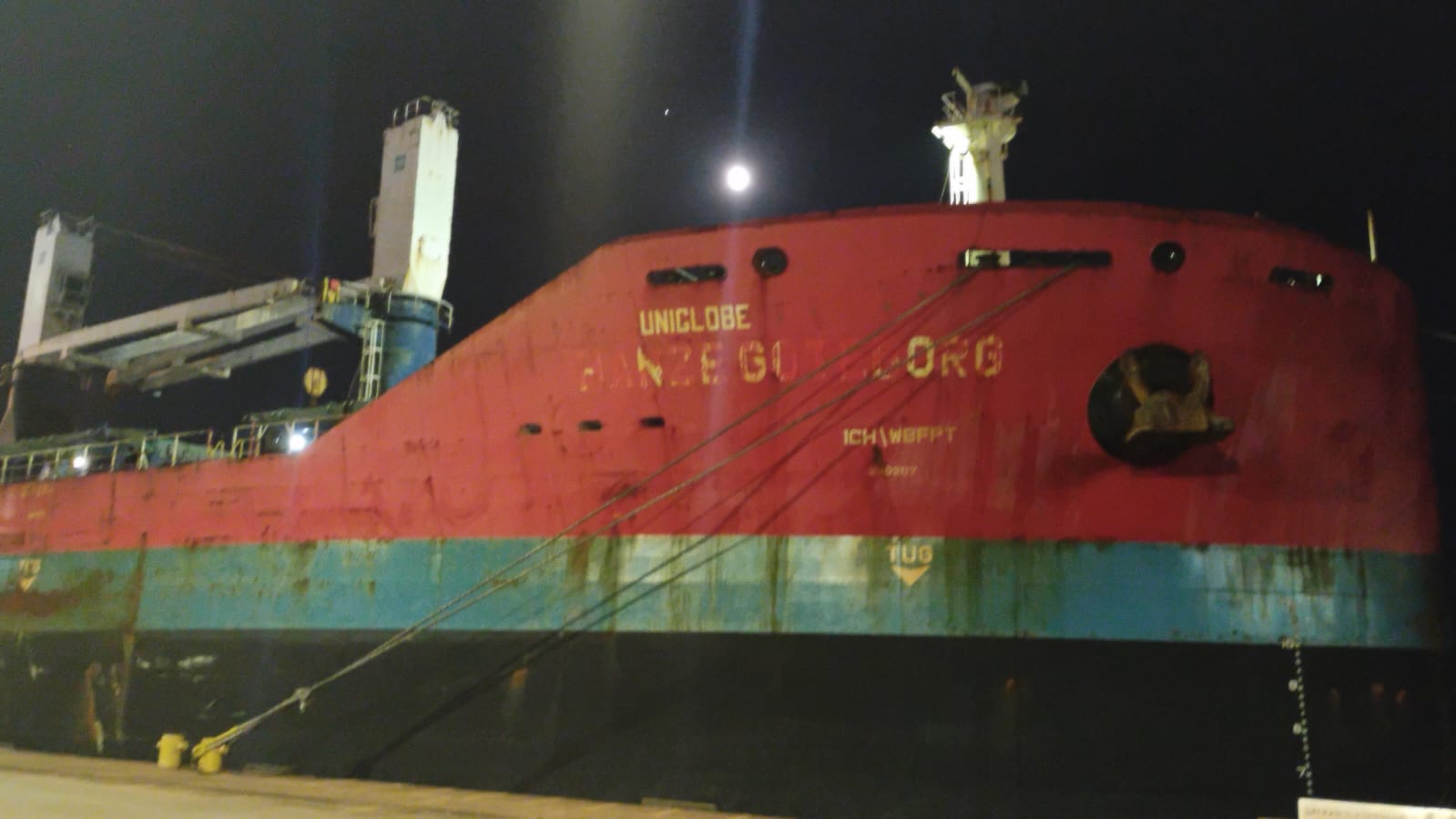
UNIGLOBE
Year:
2026
Service:
Holds Inspection (Cleanliness & Suitability)
Vessel Type:
Dry Bulk / Bulk Carrier
Size:
02 Marine Surveyors
Client Website:
CARGOWARD® performed survey attendance for a cargo hold inspection (cleanliness & suitability) on bulk carrier UNIGLOBE at Paranagua Port, shed no. 212, during a night window (02:10–03:05 LT). The scope covered holds #01, #02, #03, #04, and #05 to confirm readiness for wheat in bulk, using an evidence-led checklist method with explicit observed vs not observed separation.
Introduction
Cargo readiness decisions are time-sensitive and operationally exposed: if hold condition is disputed after commencement, the outcome is often governed by what was recorded, when, and on what evidence. This is why structured cargo hold inspection and disciplined reporting matter for charterers, traders, shipowners, and P&I correspondents—especially under constrained operating conditions such as night attendance and limited ambient lighting.
For UNIGLOBE (IMO 9646780, Netherlands flag), CARGOWARD® executed a holds inspection at Paranagua, Brazil, focusing on cleanliness & suitability for the declared commodity (wheat in bulk) and the specific holds presented for inspection (#01, #02, #03, #04, and #05).
Scope boundaries applied on this job:
Verified only what was accessible and safely observable at the time of attendance.
Relied on documents provided during attendance; no assumptions beyond the evidence.
Preserved a strict “observed vs not observed” separation to avoid implied statements about concealed conditions.
Related service references: Holds Inspection Survey
Challenge
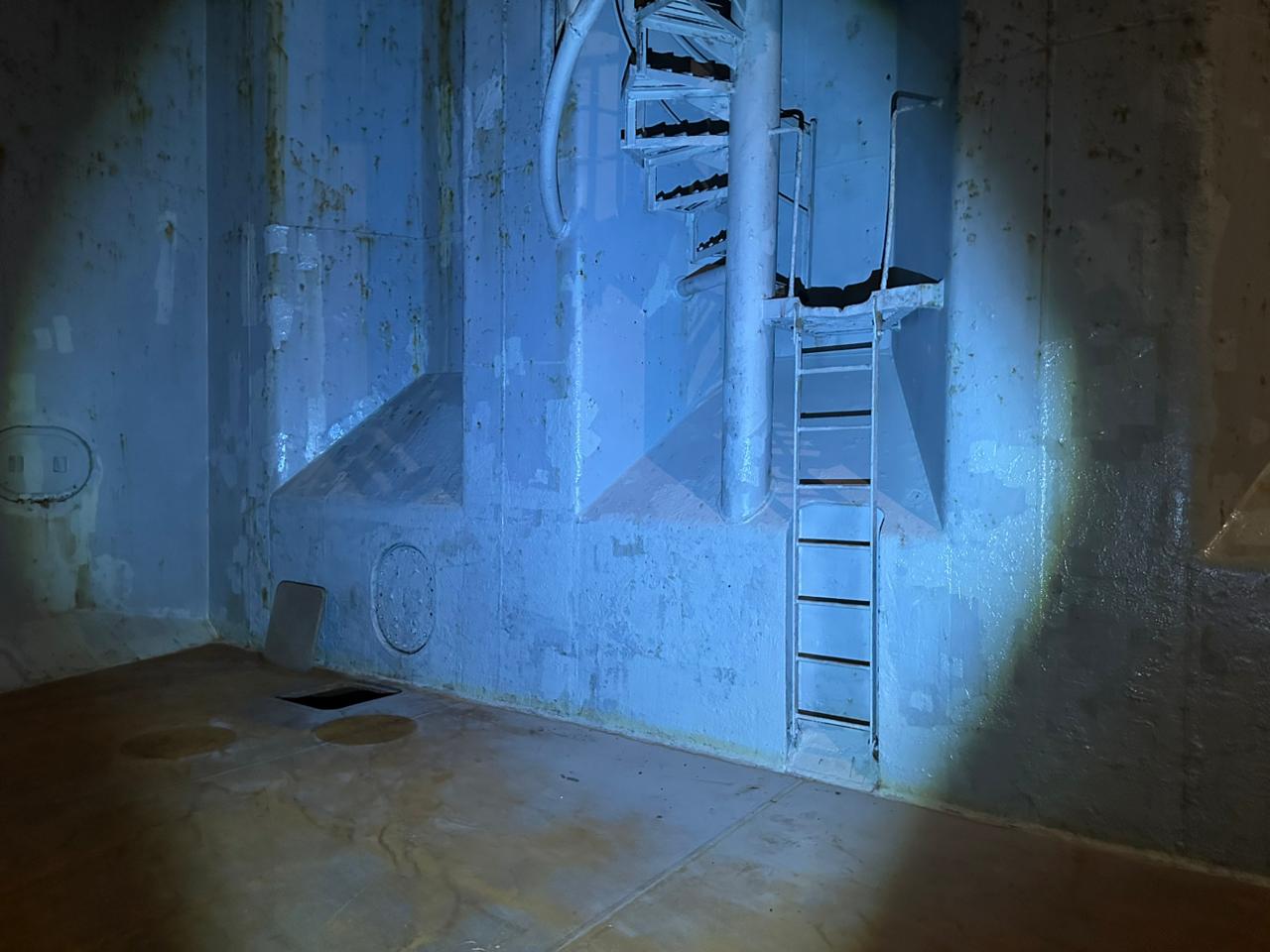
Low ambient lighting (night): required controlled portable lighting to maintain safe visibility and consistent verification.
Multi-hold verification under time pressure: holds #01–#05 required disciplined, repeatable checks with clear recording.
Access and safety constraints: verification limited to safe access and terminal/vessel rules; no extrapolation beyond what was seen.
Avoiding assumptions: findings restricted to observed condition; concealed or inaccessible areas treated as not observed.
Solution
1) Pre-job scope and evidence plan
Confirmed requested service: Cargo hold inspection (Cleanliness & Suitability).
Established job boundaries: accessible observations only; document-led traceability; deviations recorded if constraints emerged.
Applied HSQE-aligned execution controls for safe access and consistent inspection workflow. HSQE Policy.
2) Hold-by-hold checklist method (repeatable controls)
For each hold presented (#01, #02, #03, #04, and #05), the team applied a controlled readiness checklist aligned with the inspection certificate fields:
Empty
Clean
Dry
Odour OK
Pest free
Residue free
3) Observed vs not observed discipline
Recorded what was observed in each hold under the available lighting and safe access.
Where limitations existed (lighting, access restrictions, terminal rules), these conditions were treated as constraints on confidence—not filled with assumptions.
4) Evidence capture and referencing
Used consistent lighting practice (portable lighting) to support reliable visual verification in low-light conditions.
Mapped findings to the job record (holds inspected, checks completed, and final determination) with time logic anchored to the attendance window.
5) Integrity and governance controls
The inspection process included a zero tolerance against corruption integrity declaration and acknowledgement, reinforcing independent reporting lines and auditability. Anti-Bribery & Anti-Corruption.
Result
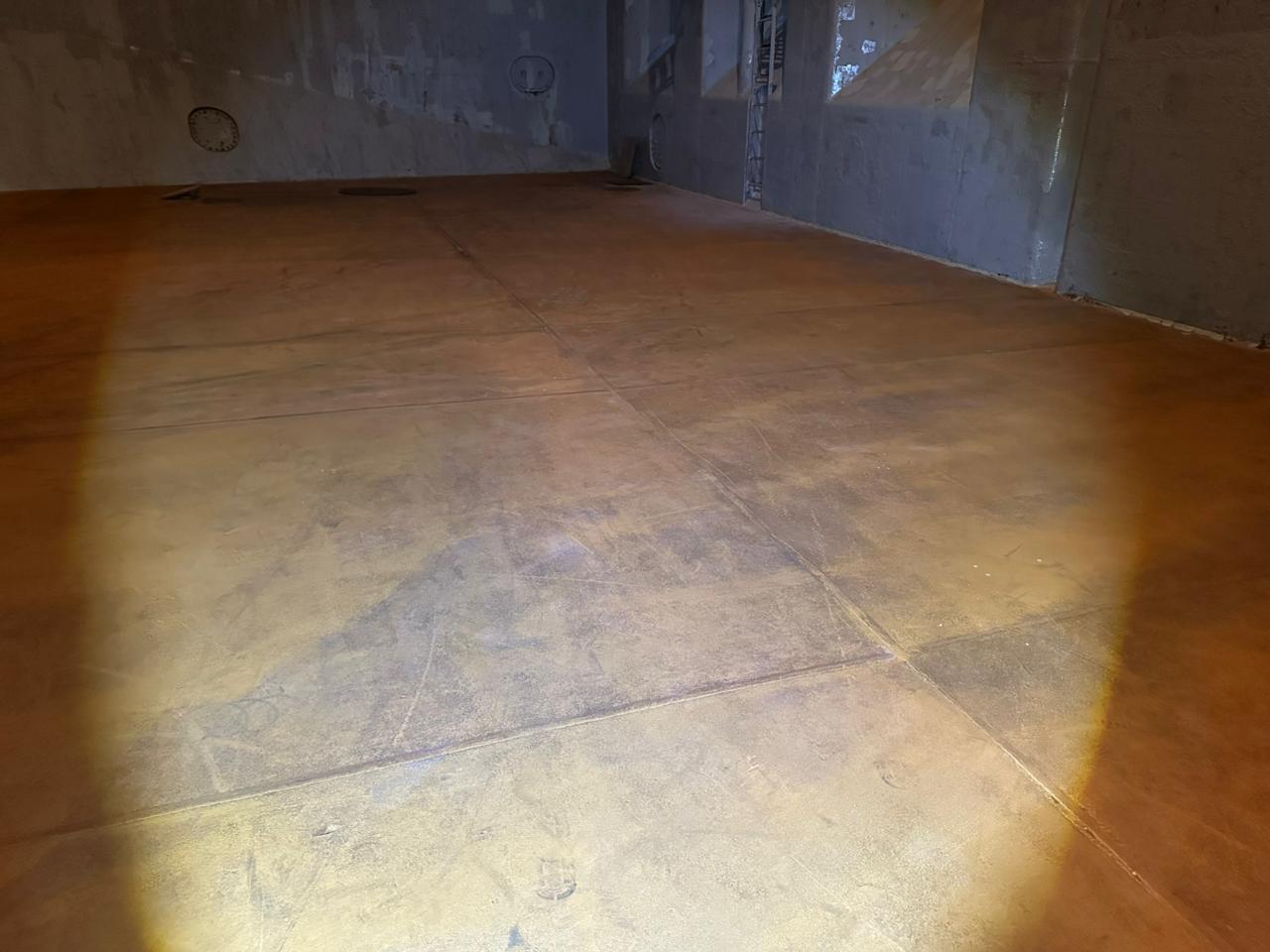
The inspection record confirms that holds #01, #02, #03, #04, and #05 were presented and assessed for cleanliness & suitability, with acceptance checks recorded as pass (empty, clean, dry, odour OK, pest free, residue free). The documented final determination was: accepted for loading for the declared commodity (wheat in bulk).
Operating limits and controls applied:
Attendance occurred at night with limited ambient lighting; verification relied on safe access and controlled portable lighting.
Findings were restricted to accessible observations and documents provided at the time; no assumptions were made about concealed conditions.
What the client received
Scope statement and attendance window (02:10 × 03:05 LT; January 31st, 2026)
Hold-by-hold readiness record for #01, #02, #03, #04, and #05
Acceptance checks status recorded as pass (empty/clean/dry/odour OK/pest free/residue free)
Evidence-led reporting method (photo log and document referencing approach, without inflating file counts)
Integrity acknowledgement under a zero tolerance against corruption statement
FAQ
Q: Is this a Class survey?
A: No. This is an independent cargo hold inspection / holds inspection and does not represent a class society or constitute class certification.
Q: What does “observed vs not observed” mean in your reporting?
A: “Observed” refers to conditions directly verified under safe access during attendance; “not observed” covers concealed/inaccessible areas and items not verifiable at the time.
Q: Can you perform holds inspection at night?
A: Yes, when safe access is available. Night inspections rely on controlled portable lighting and clear documentation of any constraints.
Q: What evidence supports the determination “accepted for loading”?
A: The determination is supported by the recorded acceptance checks (empty, clean, dry, odour OK, pest free, residue free) and the documented hold-by-hold status for holds #01, #02, #03, #04, and #05.
Q: Do you coordinate draft survey or bunker survey attendance?
A: Yes, when contracted, through Draft Survey and Bunker Survey. This case study documents a holds inspection scope only.
Limitations / Professional disclaimer
This service is not a Class survey and not a seaworthiness certification. Findings are based on accessible observations, documents provided, and safe access at the time of attendance. No assumptions are made about concealed conditions. Outcomes may be affected by weather, access, terminal restrictions, and safety constraints. Integrity controls apply: zero tolerance, gifts/hospitality restrictions, conflict-of-interest controls, and traceable audit trail practices.