Underwater Hull Cleaning

Overview
CARGOWARD® provides underwater services in Brazil for trading vessels that need measurable results within a port call window. Our certified divers operate with shore-based coordination and a technical reporting mindset—each job is scoped by area, executed with clear limits, and closed with organized evidence and traceable records in accordance with NORMAM-401/DPC (Brazilian Navy/Directorate of Ports and Coasts) and other applicable port and environmental requirements under the current regulatory framework.
We support two common objectives:
Understand condition (inspection with verifiable photo/video), and/or
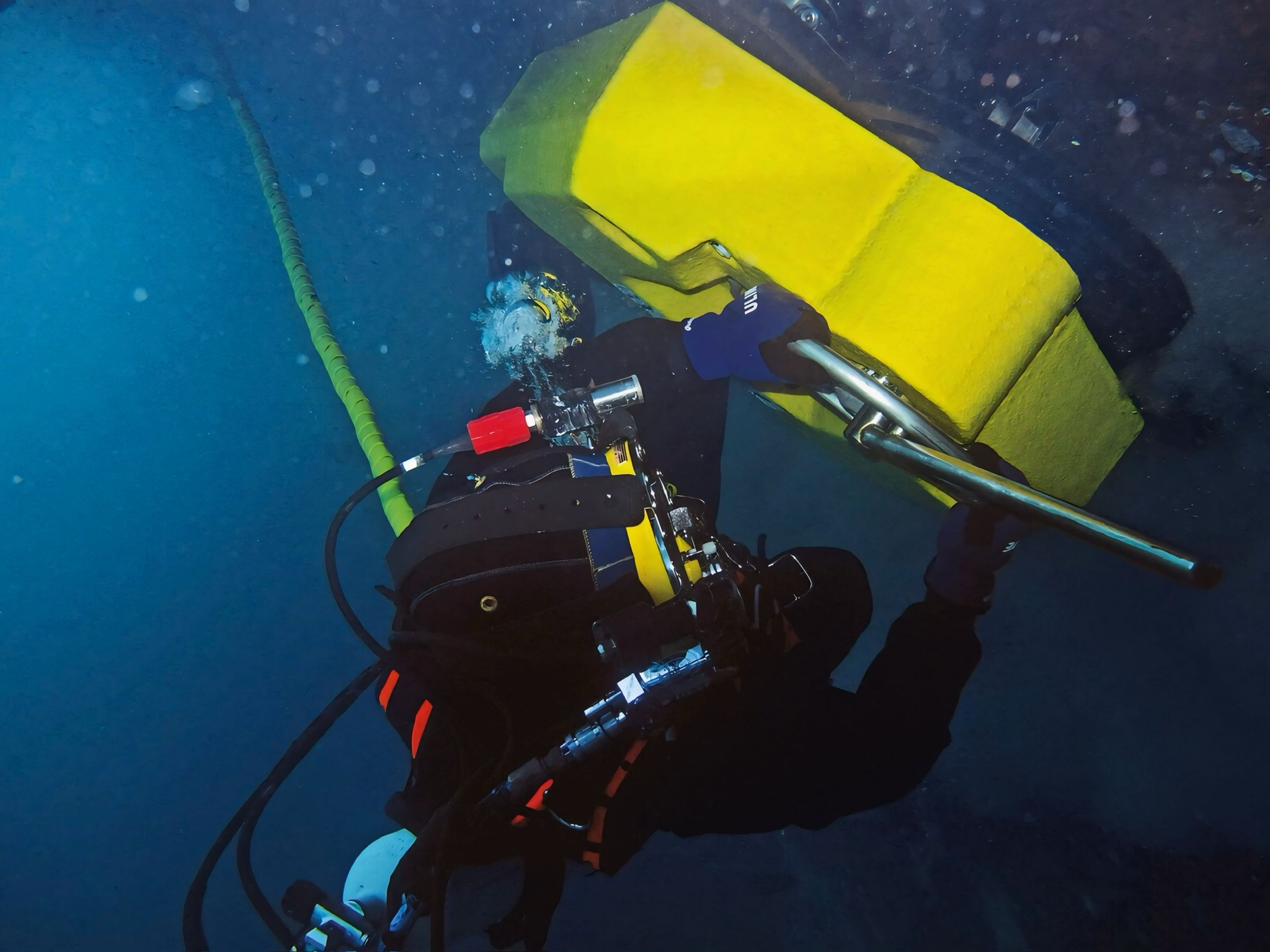
Improve underwater condition (biofouling removal, propeller polishing, rudder/appendage detailing, sea chest cleaning where feasible).
When stakeholders request class-facing documentation, we can structure outputs to match the style typically expected for review under DNV, ABS and BV practices (scope-dependent).
Choose your scope (pick what you need)
A) Inspection only (evidence-first)
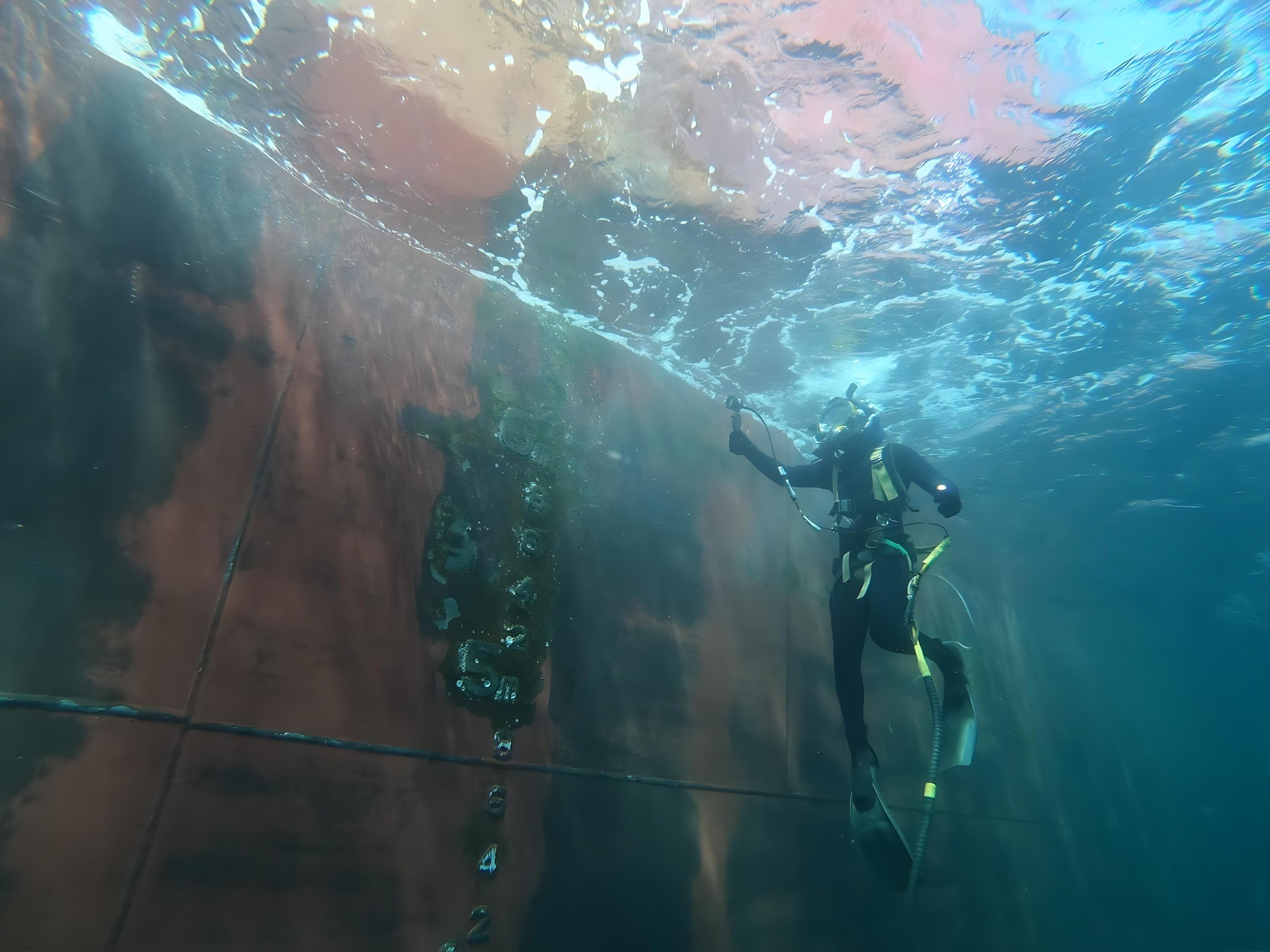
Hull/appendages visual check with photo/video capture
Notes by zone (boot-top / flat bottom / appendages)
Clear recording of constraints (visibility, access, currents)
B) Cleaning for biofouling control
Hull biofouling removal to an agreed coverage plan
Area-by-area progression with before/after evidence
Method aligned to coating condition and limitations
C) Performance works (propeller & steering surfaces)
Propeller polishing (surface condition improvement)
Rudder cleaning and appendage detailing (where feasible)
Thruster areas subject to access and local restrictions
D) Sea chest cleaning (feasibility-based)
Executed only where safe access/design allows
Scope and limits defined upfront (no surprises)
How we run the job (what happens during your call)
Step 1 — Feasibility snapshot
We confirm if the port/anchorage rules, currents, visibility and working window allow the requested scope.
Step 2 — Area map + sequence
We map the scope by area (what is included / excluded) and set the execution sequence.
Step 3 — Evidence capture and close-out
We capture structured evidence during execution and close with a consolidated package that states what was done, where, and under which constraints.
Evidence & reporting outputs
Photo/video set organized by zones/areas
Short technical notes (condition, coverage, limitations)
Close-out summary suitable for internal records
Optional: report pack structured for technical/class-facing review (scope-dependent)
Team & qualifications
Operations are executed by certified commercial divers with a structured approach for stakeholder reporting. When required, evidence and summary formats can be aligned for review under expectations commonly associated with DNV, ABS and BV (as applicable to scope and client request).
Ports & operating modes
We support underwater operations across major Brazilian ports and anchorages, subject to local rules and feasibility. Execution may be alongside or at anchorage depending on restrictions, safety controls and window.
What we need from you (to mobilize fast)
Port/anchorage + ETA/ETD + available window
Draft and any restricted areas
Selected scope (A/B/C/D above)
Any reporting deadline or stakeholder format requirement
Known constraints (visibility/currents/local restrictions)
Operational limits
Visibility, currents and access define coverage and time
Sea chest work is feasibility-based and design-dependent
Cleaning approach is chosen to respect coating condition and agreed limits
FAQ
Q1) What is the difference between “Inspection only” and “Cleaning”?
A: Inspection only is evidence-first: we capture photo/video by zone and report what is visually confirmed under the site conditions. Cleaning adds biofouling removal to an agreed coverage plan, with before/after evidence and recorded exceptions.
Q2) Which scope options do you offer (A–D)?
A: Scope is selected per port call, feasibility and vessel condition:
A) Inspection only (evidence-first)
B) Cleaning for biofouling control (coverage-defined)
C) Performance works (propeller polishing + rudder/appendage detailing, where feasible)
D) Sea chest cleaning (feasibility- and design-dependent)
Q3) What areas are typically covered during underwater work?
A: Typical areas include hull zones (by side/flat bottom as feasible), rudder, propeller, and appendages. Sea chests/intakes are assessed only where safe access and design allow. Final coverage depends on visibility, currents, berth/anchorage constraints, and the available working window.
Q4) How do you confirm what was actually done underwater?
A: We use zone-organized photo/video evidence with a close-out summary stating: requested scope, executed scope, included/excluded areas, method notes, and any constraints (visibility, current, access). Evidence is mapped to areas to support technical review.
Q5) What deliverables do clients receive (01–06)?
A: Deliverables are provided according to the contracted scope and feasibility:
Scope Map by Area (Included / Excluded)
Dive Execution Plan (Comms + Safety Controls)
Inspection Evidence Set (Photo/Video, Zone-Organized)
Hull Biofouling Removal (Coverage-Defined)
Propeller Polishing + Rudder/Appendage Detailing (where feasible)
Close-Out Pack (Technical / class-facing option upon request)
Q6) Can you provide “class-facing” or “survey-ready” documentation?
A: When requested, we can structure the close-out pack in a technical format commonly used for surveyor review. Acceptance, equivalence decisions, and any statutory/class conclusions remain with the responsible authority or surveyor and the contracted scope.
Q7) What are the most common operational constraints?
A: Key constraints include visibility, currents, access limitations, terminal/port rules, and time available during the port call. Sea chest work is feasibility- and design-dependent. All constraints are recorded in the close-out pack.
Q8) Does in-water cleaning restore the coating or guarantee long-term performance?
A: No. In-water cleaning removes biofouling to the agreed coverage plan, but it does not restore coating condition. Coating wear, staining, or roughness may remain visible and should be assessed separately when planning maintenance.
Q9) Where do you operate in Brazil?
A: We support operations across Brazilian ports and anchorages, subject to local rules and feasibility. For the full list of covered ports, refer to Port Coverage on the Contact page and confirm availability for your vessel call.
Q10) How do you align operations with NORMAM-401/DPC expectations?
A: Scope definition and close-out documentation are structured to keep work auditable: coverage by area, recorded constraints, evidence mapping, and clear separation between observed findings and non-observed areas. Requirements and permissions remain port- and operation-specific.
Deliverables
Deliverables are structured as: scope map → executed areas → documented evidence → close-out summary. This keeps the job auditable and prevents ambiguity between “requested” and “performed”.