Ship Painting

Overview
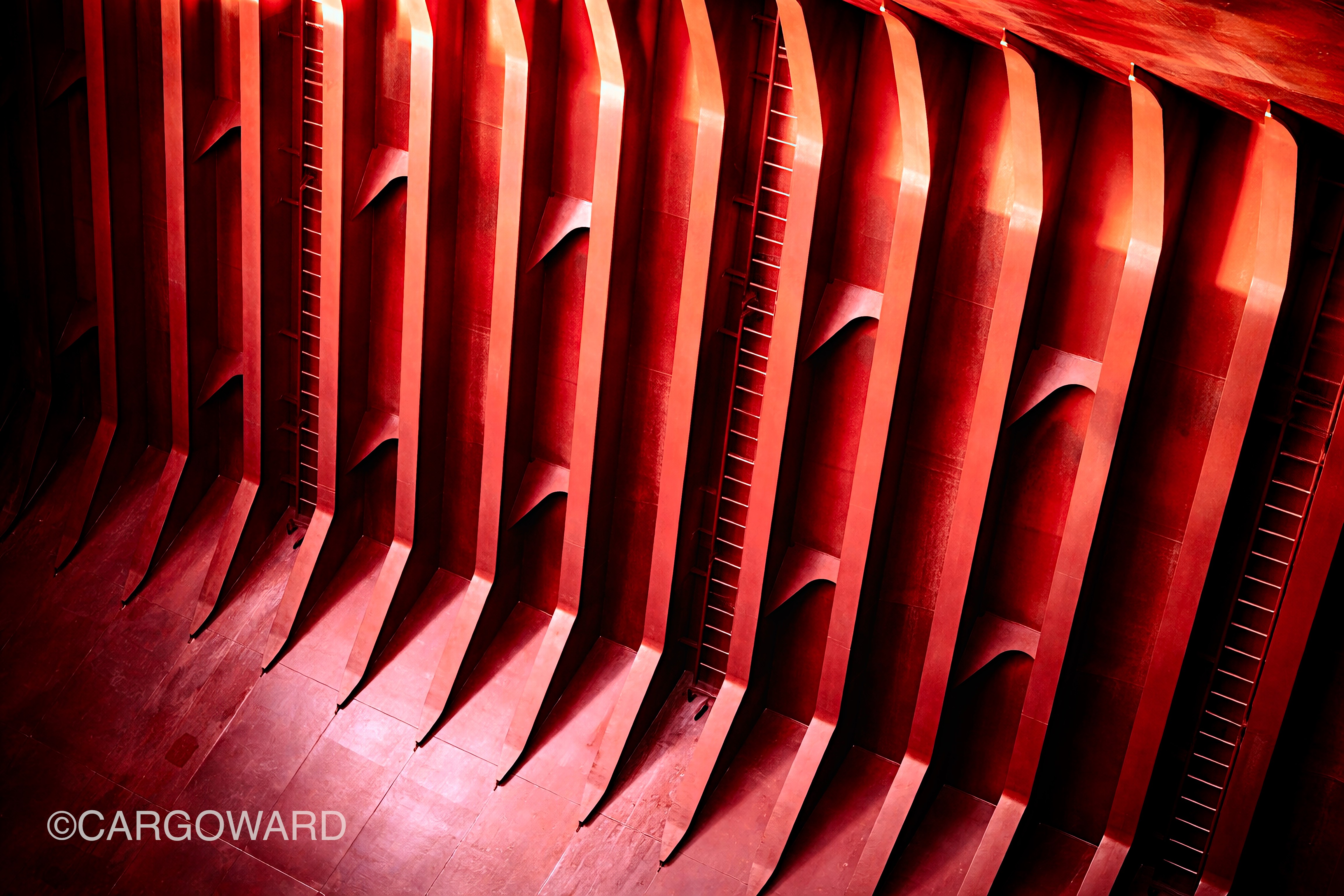
CARGOWARD® provides ship painting services in Brazil for vessels requiring controlled surface preparation, high-output coating application and documented close-out across cargo holds, hull areas, hatch covers, decks, engine rooms and defined steel surfaces. Our vessel painting support is planned around port-call constraints, coating condition, access limitations, environmental exposure and the maintenance or readiness objective agreed before mobilization.
This service is built around practical execution and coating control—not generic painting. Depending on the vessel area, steel condition, corrosion level, previous coating breakdown and available working window, our scope may include cargo hold cleaning, washing, degreasing, residue removal, surface preparation, mechanical de-rusting, primer application, airless spray painting, touch-up coating or full painting of defined areas.
For cargo holds, painting should not be treated as a standalone activity. A proper coating result starts with a properly prepared hold. In most cases, before cargo hold painting can be considered, the holds must undergo complete cargo hold cleaning to remove cargo residues, loose contamination, dust, salt, grease, previous cargo traces and other materials that may compromise coating adhesion. For this reason, painting scopes are often planned together with our internal cargo hold cleaning service so the vessel receives a controlled sequence from cleaning to surface preparation and coating application.
Our high-output airless painting setup allows efficient execution during limited port stays. For example, subject to hold condition, preparation status, coating system, access, ventilation and onboard readiness, one cargo hold may be painted within approximately 4 to 6 hours using 4 to 6 powerful airless spray machines, each operated by trained personnel and coordinated under an area-based work sequence.
For a fast plan and pricing, send port + ETA/ETD + photos/videos + target areas + coating system + required finish. We review feasibility and propose the most efficient method to clean, prepare and paint the required vessel areas within the available operational window.
Key ship painting services
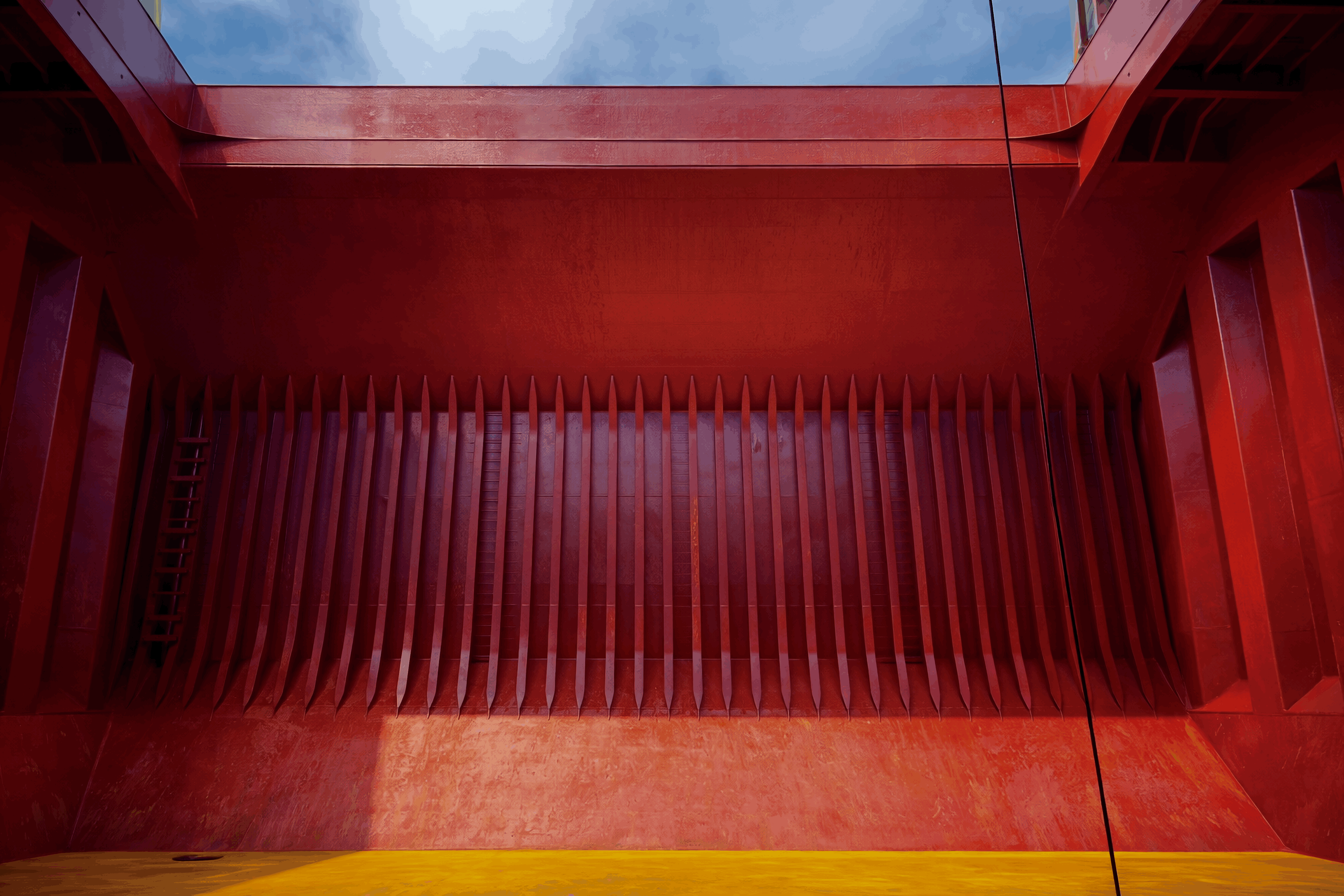
Cargo hold painting
Cargo hold painting is commonly requested when corrosion, coating breakdown, staining, previous cargo contamination or readiness requirements affect the vessel’s ability to receive the next cargo.
Scope may include:
Full cargo hold cleaning before painting
Surface preparation of corroded or coating-damaged areas
Spot painting, partial hold painting or full cargo hold coating
Primer and topcoat application according to the agreed coating system
Airless spray painting with multiple machines and operators where required
Hold-by-hold progress control with photo evidence and exception notes
Cargo hold painting can support grain, sugar, fertilizer, pulp/cellulose, steel cargo or other cargo-sensitive readiness targets, depending on the final acceptance criteria and coating condition.
Hull painting
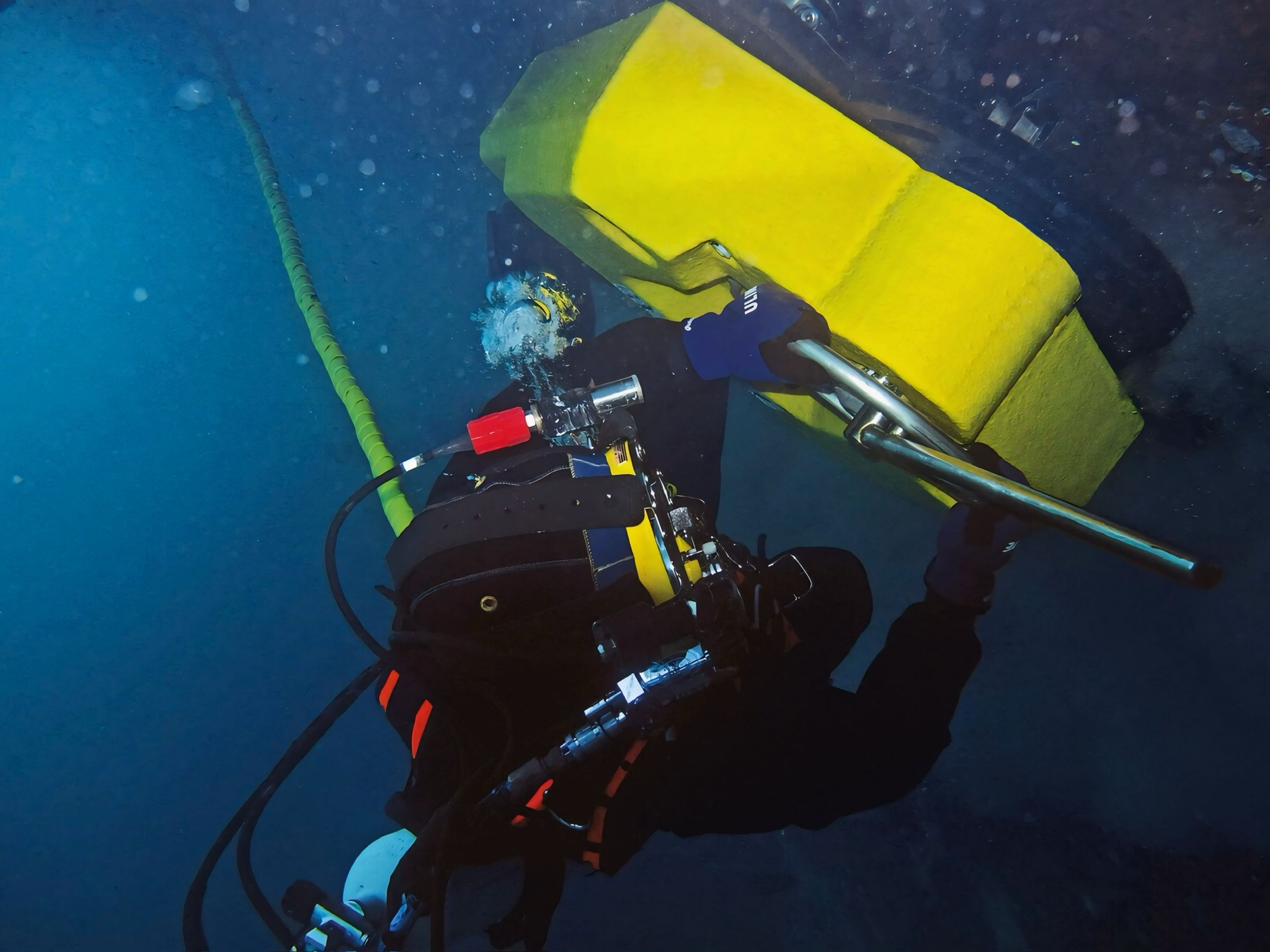
Hull painting is one of the most commercially visible vessel painting scopes, especially when the vessel requires appearance improvement, coating maintenance, corrosion treatment or preparation for inspection, sale, chartering or operational presentation.
Scope may include:
Hull side painting alongside or under suitable conditions
Boot-top, topside or selected hull-zone painting
Touch-up painting of visible coating breakdown and corrosion areas
Primer and topcoat application according to coating compatibility
Access by staging, manlift, rope access or other approved method where required
Before/after evidence for owner, manager or stakeholder records
Hull painting requires careful planning due to access, freeboard, weather, wind, humidity, overspray control, berth restrictions, environmental precautions and curing time.
Hatch cover painting
Hatch cover painting is usually requested for maintenance, corrosion control or visual improvement when covers show weathering, rust patches, mechanical damage or coating breakdown.
Scope may include:
Hatch cover top-side painting and touch-up coating
Treatment of rusted, weathered or exposed steel areas
Painting of selected panels, edges, coamings or access zones
Surface preparation around coating failures or mechanical damage
Airless spray, roller or brush application depending on area and access
Execution depends on weather, terminal permission, cargo operations, surface condition and curing time.
Deck painting
Deck painting may be required for corrosion control, safety improvement, maintenance presentation or after steel works and repairs.
Scope may include:
Spot painting or larger deck-area coating
Anti-corrosion treatment for exposed steel and working areas
Painting around access ways, platforms, foundations and maintenance zones
Touch-up coating after repairs, hot work or operational wear
Priority-zone painting where full deck painting is not practical within the port stay
Deck painting is strongly affected by rain, humidity, surface temperature, safe access, vessel operations and curing requirements.
Engine room painting
Engine room painting is usually performed as a localized maintenance scope in selected areas where corrosion, oil contamination, coating wear or visual condition requires improvement.
Scope may include:
Painting of platforms, ladders, foundations and selected steel areas
Degreasing and surface preparation where oil contamination affects adhesion
Localized primer and topcoat application
Controlled work in sensitive operational areas
Close-out evidence for superintendent, owner or technical manager records
Engine room painting must be planned to avoid interference with vessel operations, machinery safety, hot surfaces, ventilation requirements and onboard restrictions.
Why cleaning before painting matters
Painting without proper cleaning and preparation can lead to poor adhesion, premature coating failure, visible defects and disputes over acceptance. This is especially important in cargo holds, where old cargo residues, salt, dust, grease, rust scale, loose paint and contamination may remain on the surface if the cleaning stage is not properly executed.
For cargo hold painting, a complete cleaning stage is often the first technical requirement. The hold should be washed, cleared of residues and assessed before surface preparation and coating application.
CARGOWARD® can combine cargo hold cleaning and painting support into a controlled sequence:
Cargo hold cleaning and residue removal
Surface condition assessment
Localized de-rusting or mechanical preparation
Dust and contamination control
Primer or coating application
Area-by-area close-out evidence
This integrated method helps reduce rework, improve coating reliability and support a cleaner technical record for owners, managers, charterers and surveyors.
High-output airless painting capability
For larger vessel painting scopes, CARGOWARD® can mobilize powerful airless spray machines with dedicated operators to accelerate coating application during limited port-call windows.
Where the area is already cleaned, prepared, accessible and suitable for coating, one cargo hold may be painted within approximately 4 to 6 hours, subject to:
Hold size and geometry
Surface condition and preparation standard
Coating system and number of coats required
Ventilation and drying conditions
Access and lighting inside the hold
Paint availability and mixing logistics
Safety controls and onboard coordination
Number of airless machines and operators mobilized
For accelerated execution, we may deploy 4 to 6 airless spray machines, each with an assigned operator, allowing multiple zones to be coated in parallel under coordinated supervision. This method is especially useful when the vessel has a short port stay and the painting scope must be completed without affecting the next cargo operation.
Airless painting is suitable for large steel surfaces such as cargo holds, hatch covers, hull sides and selected deck areas, always subject to access, overspray control, coating specification and environmental conditions.
Ports and execution modes in Brazil
We evaluate ship painting services in Brazil across Santos, Paranaguá, Vitória, Itaqui, Rio Grande, São Francisco do Sul, Recife, Salvador, Suape, Fortaleza, Pecém, Maceió and other Brazilian ports and anchorages, subject to feasibility, terminal authorization and vessel schedule.
Execution may be performed alongside, at anchorage or during a suitable operational window, depending on the vessel area, access conditions, safety restrictions, coating system, weather exposure and local port rules.
Before confirming the job, we review the port call, available working hours, access requirements, surface condition, coating specifications and expected finish so the proposal reflects a realistic and controlled scope.
Information required to mobilize
Port, terminal or anchorage location
ETA, ETB, ETD and available working window
Vessel area to be painted: cargo holds, hull, hatch covers, deck, engine room or specific steel zones
Photos and videos of the areas requiring treatment
Approximate square meters or dimensions, when available
Current coating condition: rust, peeling, staining, oil contamination, salt contamination, exposed steel or old coating failure
Last cargo and next cargo, when cargo holds are involved
Whether cargo hold cleaning is required before painting
Required coating system, paint brand, coating specification or technical data sheet, if already defined
Whether paint will be supplied by vessel/client or by CARGOWARD®
Number of coats required and target finish
Access requirements: staging, manlift, rope access, ladders, lighting, ventilation or enclosed-space controls
Any restrictions from Master, terminal, class, surveyor, superintendent or port authority
What you receive
Defined ship painting scope by area and coating objective
Cleaning and surface preparation logic before painting where required
Practical execution plan aligned to vessel schedule and port constraints
Airless painting method where suitable for high-output coating application
Surface preparation and coating sequence suitable for the agreed target
Area-by-area progress control where applicable
Before/during/after photo evidence
Notes on visible limitations, coating condition and operational constraints
Close-out summary for owner, manager, superintendent, Master or operational records
Notes and limitations
Cleaning before coating
Painting should only be performed after the surface is suitably cleaned and prepared. For cargo holds, this may require complete cargo hold cleaning before painting. For decks, hatch covers, hull areas and engine rooms, cleaning, degreasing or salt removal may also be required before coating application.
Surface condition
Final coating quality depends heavily on existing steel and coating condition. Peeling paint, heavy corrosion, oil contamination, salt contamination, moisture, old incompatible coatings or structural defects may require additional preparation or may limit the achievable finish.
Airless painting productivity
Airless painting can significantly accelerate coating application on large surfaces, but productivity depends on preparation status, access, ventilation, coating system, number of coats, masking requirements, environmental conditions and onboard coordination. Estimated timings are always confirmed case by case.
Weather and curing
For hull, deck and hatch-cover works, rain, humidity, wind, surface temperature and curing time may affect execution. Painting exposed areas is always subject to safe and suitable environmental conditions.
Access and safety
Cargo holds, hull sides, engine rooms and enclosed or semi-enclosed areas may require lighting, ventilation, gas-free confirmation, safe access, staging, rope access, manlift support or onboard coordination. Work is planned to respect vessel safety routines and port/terminal requirements.
Acceptance
Final acceptance may depend on owner, manager, superintendent, Master, surveyor, terminal or class expectations. CARGOWARD® commits to the agreed scope, preparation method, coating application and evidence-based close-out, while any third-party acceptance remains subject to the defined criteria and actual site conditions.
Deliverables
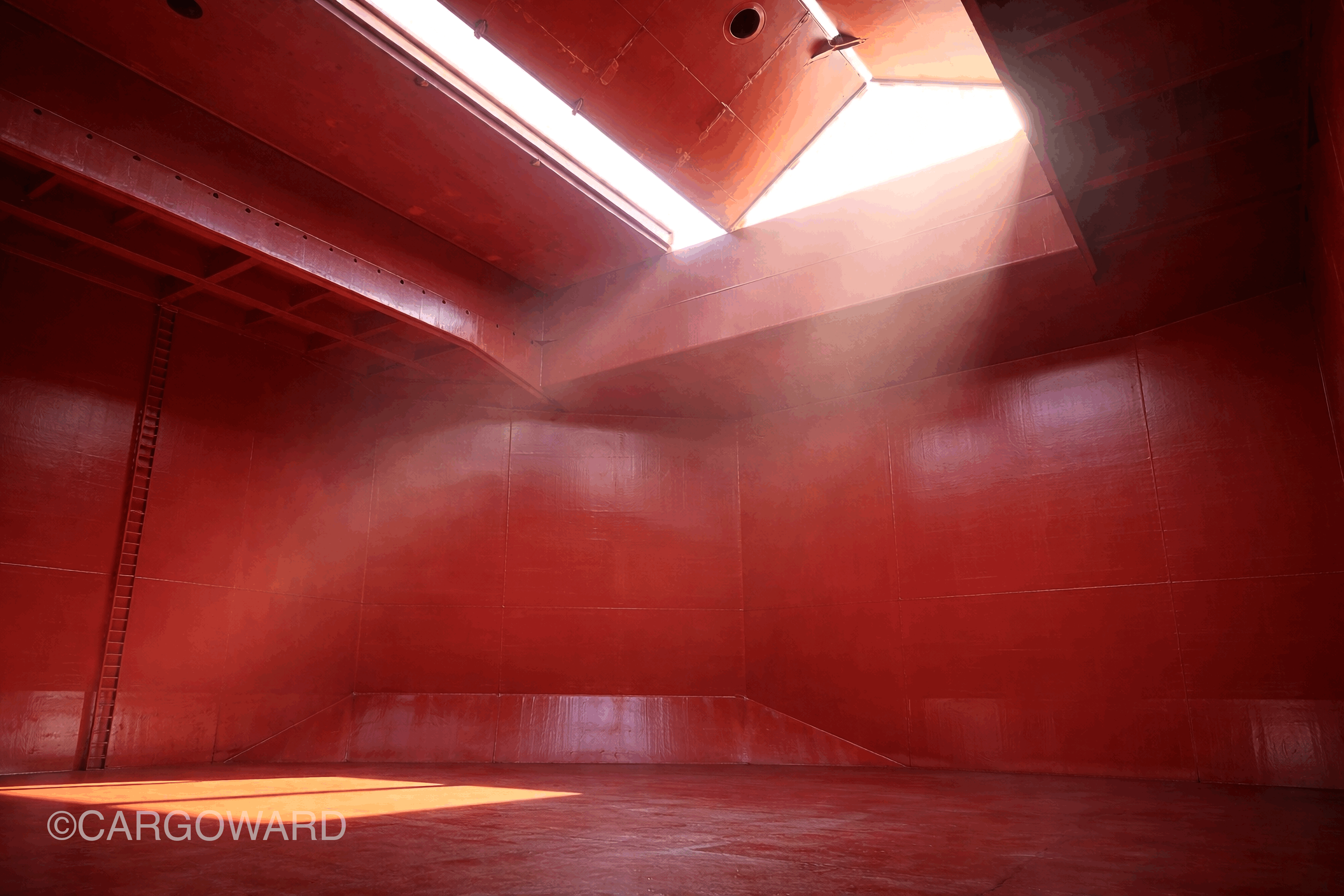
Deliverables are structured to keep ship painting services predictable and inspection-ready: a defined coating target, cleaning/preparation logic, area-based execution, coating controls, documented exceptions and a close-out evidence package.