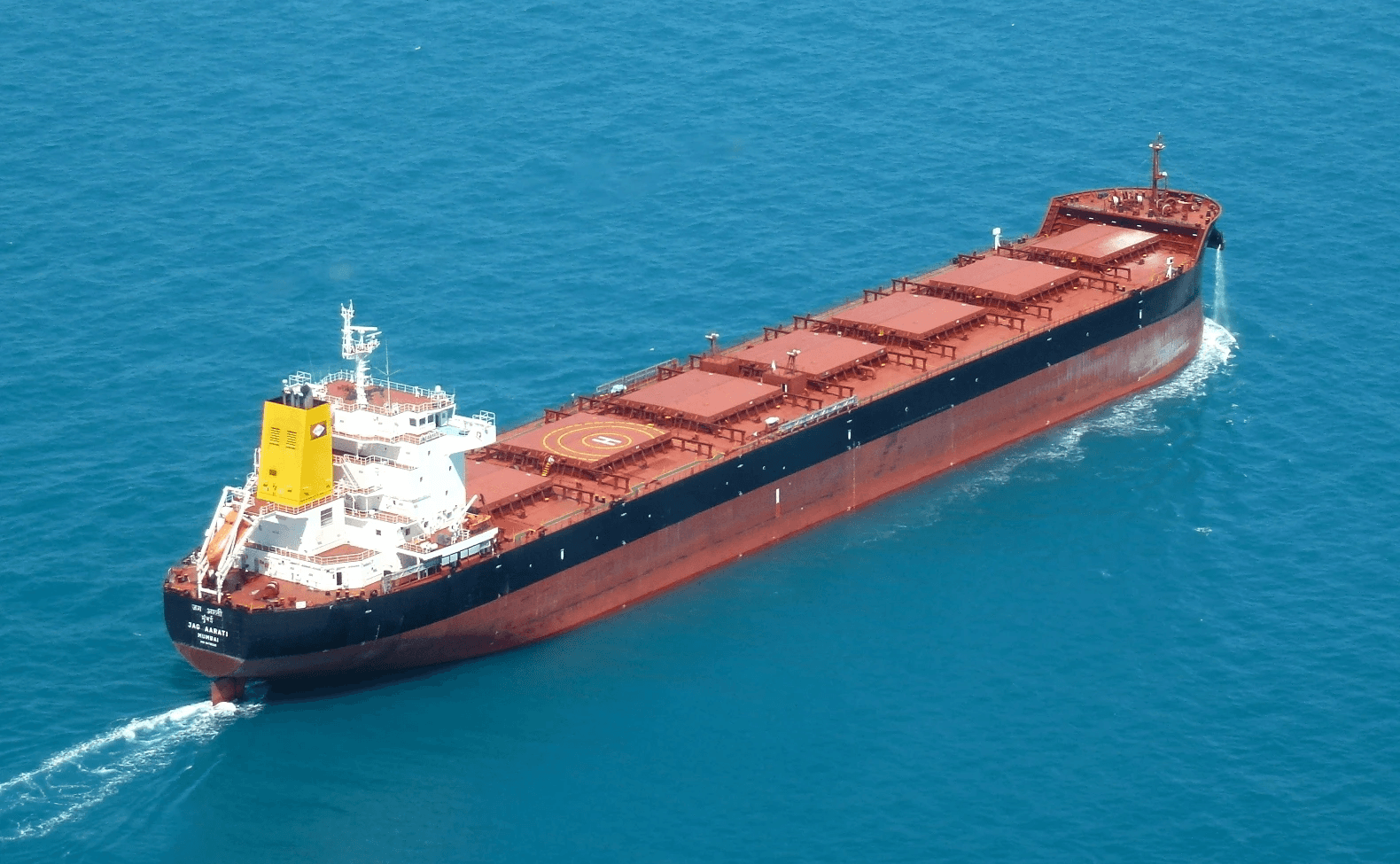
JAG AARATI
Year:
2023
Service:
Cargo Hold Cleaning + Cargo Hold Painting
Vessel Type:
Dry Bulk / Bulk Carrier
Size:
14 dedicated cleaning specialists
Client Website:
Port of Santos: 07 cargo holds cleaned and repainted on bulk carrier JAG AARATI (IMO 9478200) for sugar loading—chemical wash, hydro-jetting, bilge detailing, hatch cover cleaning, controlled drying, hospital-standard finish in 5 days.
Introduction
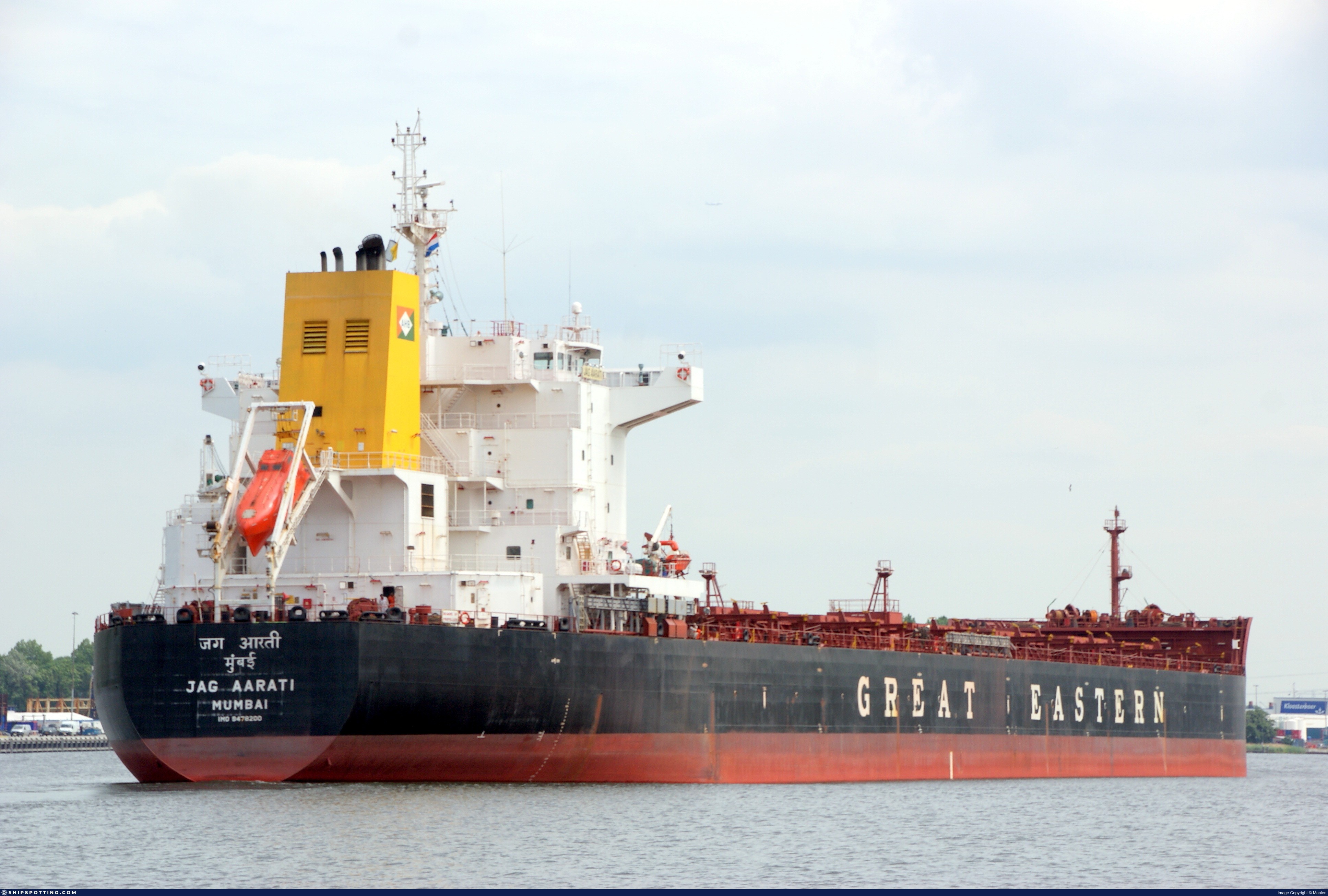
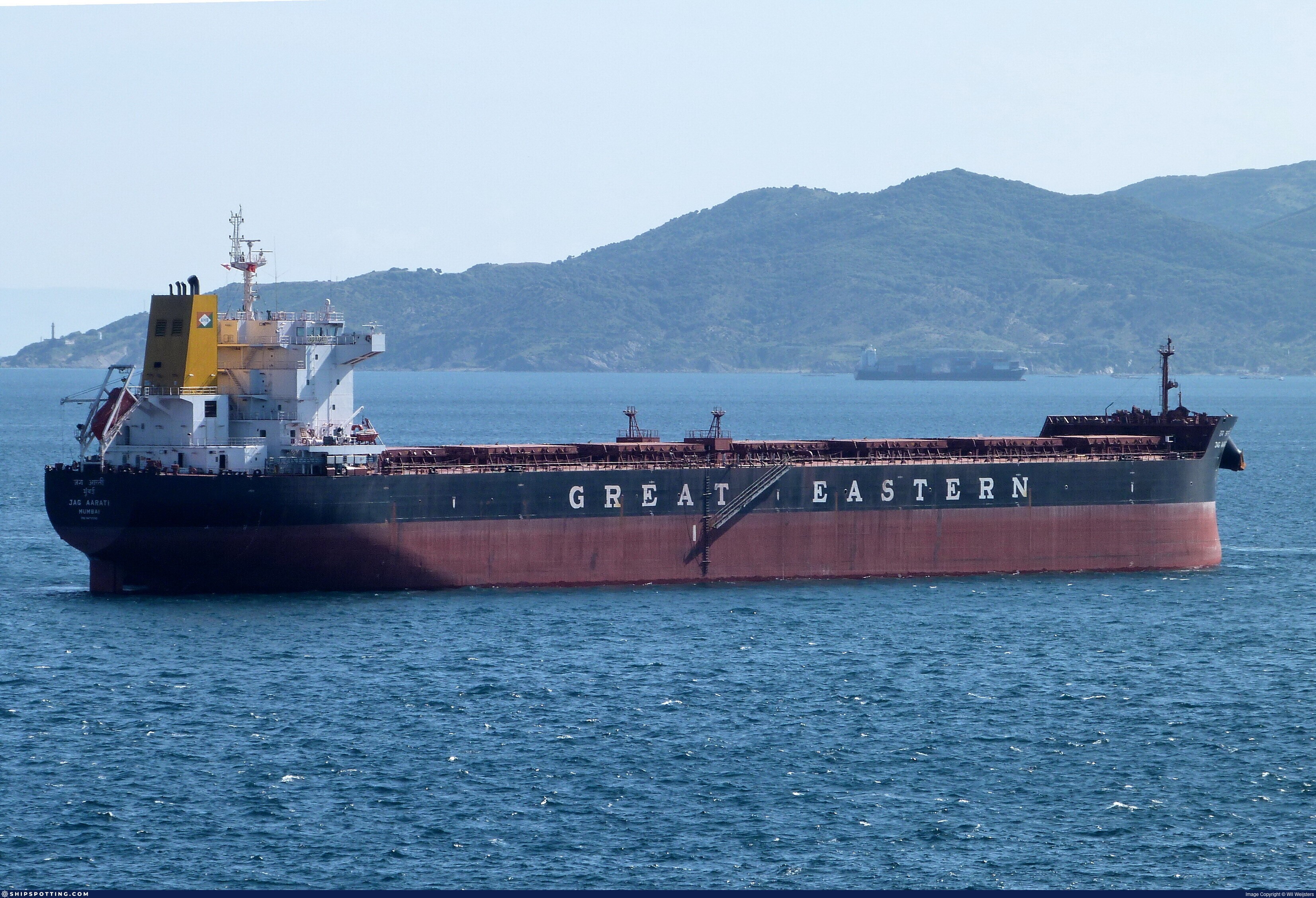
At the Port of Santos (Brazil), CARGOWARD® executed a full cargo hold cleaning + cargo hold painting scope onboard M/V JAG AARATI (IMO 9478200), a bulk carrier operating in the Brazilian trade. The vessel was scheduled to load sugar, requiring a cleanliness level beyond standard grain readiness—targeting a hospital-standard finish across all 7 cargo holds, including structural members, framed hold internals, tank top areas, upper/hopper regions, access ladders, and hatch-related interfaces.
Challenge
Sugar cargo demands a high-sensitivity contamination control profile: any residual staining, loose scale, carbon traces, old coating debris, or bilge contamination can trigger rejection risk at load port. The scope required:
Deep removal of residues from “hard-to-reach” geometry (frames/stiffeners, brackets, scallops, drain channels)
Bilge cleaning/detailing, including suction wells and corners
Hatch cover-related cleaning interfaces (underside edges/contact zones, coamings, and landing areas)
A coating work package executed within a tight operational window (~5 days total), with controlled drying and safe work planning for confined-space conditions.
Solution
A disciplined end-to-end sequence was applied, combining mechanical cleaning, controlled washing chemistry, high-pressure cleaning, surface preparation, and coating works—aligned with shipboard safety controls and common industry expectations for cargo integrity and P&I risk management:
1) Pre-work condition survey & work planning
Hold-by-hold condition mapping (residue types, staining, coating integrity, rust scale, bilge condition)
Work sequencing by zones: tank top → lower hopper/side areas → upper regions/frames → bilges → hatch interfaces
Permit controls for enclosed spaces, ventilation strategy, and segregation of waste streams
2) Bulk residue removal & seawater pre-wash
Sweeping/collection to remove loose residues prior to washing
Seawater pre-wash to break down adhered deposits and reduce surface loading before high-pressure stages
Dedicated attention to “carry-over points”: frame toes, ladder landings, drain edges, and corner transitions
3) Chemical wash (cargo-contamination control)
Controlled application of cargo-residue cleaning chemistry (owner-approved) to lift staining and embedded contamination
Rinse discipline to avoid re-deposition on frames and upper structures
Focus on sugar-critical contamination points: streaking paths, shadow zones behind structural members, and bilge-adjacent surfaces
4) Hydro-jetting / high-pressure cleaning
High-pressure washing/hydro-jetting applied where required to remove persistent residues and prepare surfaces for coating works
Structured progression to avoid cross-contamination: “clean-to-dirty” zoning, top-down rinse logic, and re-check of frame pockets
5) Bilge detailing & drainage readiness
Bilge wells and drain channels cleaned to eliminate residual contamination risk
Collection/segregation of residues and wash water management per applicable ship/port requirements and environmental controls (as applicable to the operation)
6) Surface preparation & cargo hold painting
Spot preparation where needed (scale/rust removal and edge conditioning)
Coating application per owner/technical specification (touch-up/renewal)
Stripe/critical-area attention: frame toes, edges, bracket corners, weld transitions, and abrasion zones
Drying control using ventilation and operational discipline for coating cure windows
7) Final acceptance checks (“hospital-standard” finish)
Final wipe-down/verification for powdering, loose particles, staining traces, and debris
Visual quality checks across frames, tank top, ladders, and hatch interfaces
Holds delivered in an inspection-ready condition for loading sequence alignment
Result
Within approximately 5 days, all 7 cargo holds were cleaned and painted to achieve a hospital-standard finish suitable for sugar loading at Santos. The scope delivered consistent cleanliness across framed structures, bilges, and hatch-contact interfaces, reducing contamination risk and supporting cargo acceptance expectations for sensitive food-grade trades.