CARGOWARD® in Brazil: Nine Months of Maritime Operations in 2026
A port call is decided in details that rarely make the headlines: the condition of a hull below the waterline, the residue left in a cargo hold, the sludge inside a fuel tank. These are the working environments behind CARGOWARD®’s January–September 2026 operational update in Brazil.
During the first nine months of 2026, CARGOWARD® carried out approximately 22 underwater operations, 17 cargo hold cleaning operations and 15 HFO/VLSFO tank cleaning operations. For shipowners, charterers and technical managers planning their next Brazilian port call, the figures offer a practical view of the company’s activity across three demanding service lines.
January–September 2026: the operational snapshot
Approximately 22 underwater operations — work below the waterline, where vessel condition, dive planning and useful visual evidence matter.
17 cargo hold cleaning operations — preparation for the next cargo, with attention to residue removal and the agreed cleanliness requirements.
15 HFO/VLSFO tank cleaning operations — fuel tank work requiring coordinated cleaning, residue handling and shipboard interfaces.
These figures describe service operations during the reporting period; they are not a count of individual holds, tanks or unique vessels.
Underwater operations: capability you can examine
For a technical superintendent ashore, an underwater job becomes useful when the report makes the vessel’s condition clear. What was inspected? Which areas were treated? What evidence supports completion?
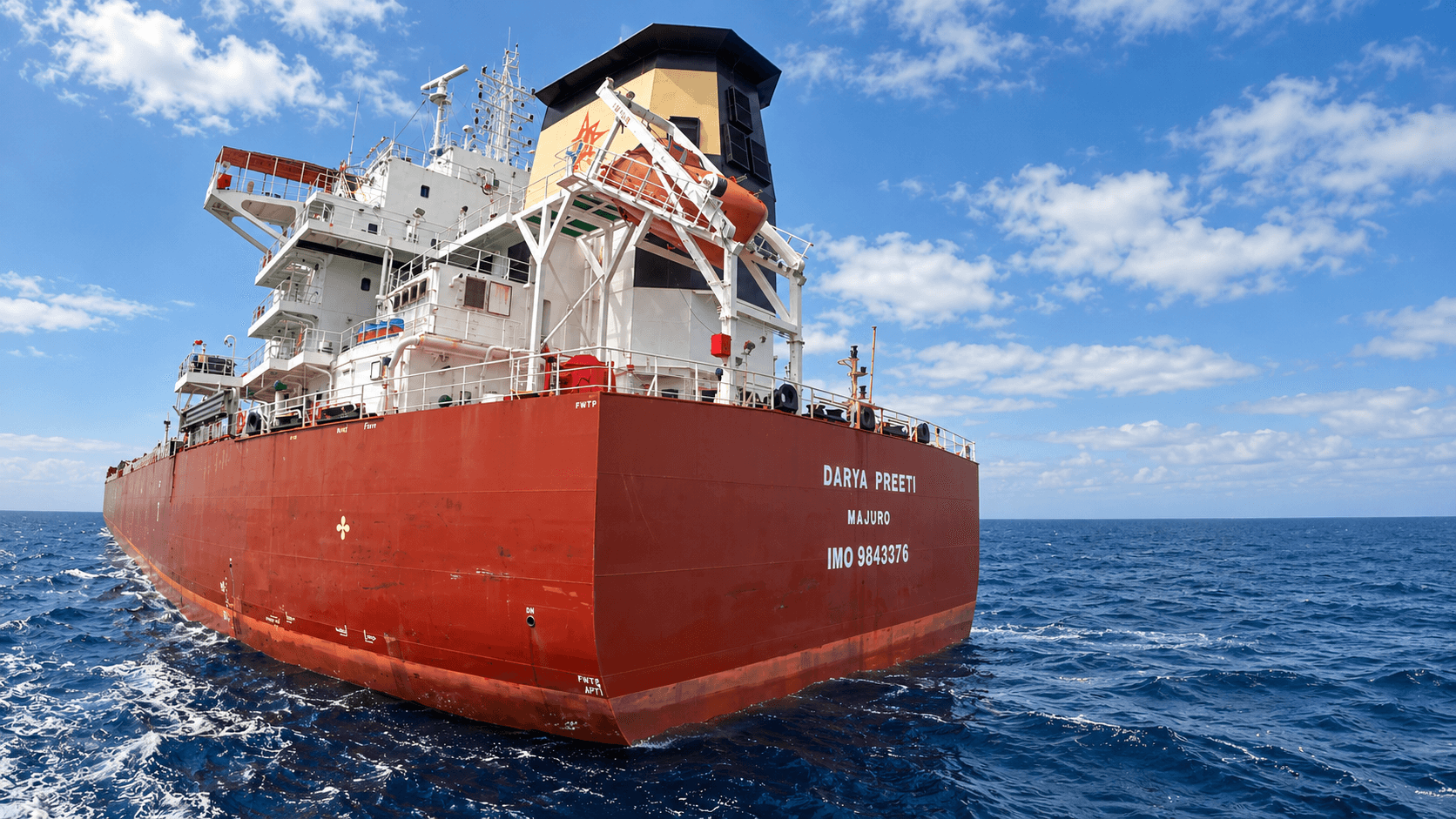
CARGOWARD®’s DARYA PREETI operation at Santos Anchorage provides a concrete example. Following an inspection on 18 March 2026, hull cleaning and propeller polishing were completed on 20 March. Two diving teams and two support boats worked on separate sides of the vessel. The close-out package included photographs and video organized by treated area, completion records and the Master’s acknowledgement.
That level of visibility helps an operator assess the work beyond the statement that a team attended the vessel. Explore CARGOWARD®’s underwater hull cleaning and propeller polishing services in Brazil for the available scope and planning requirements.
Cargo hold cleaning: the next cargo sets the standard
A hold can look clean from the hatch and still need attention around frames, bilge wells or hatch interfaces. The previous cargo, the next cargo and the required acceptance condition determine the cleaning plan.
The 17 cargo hold cleaning operations reported for January–September reflect activity in a service where preparation has a direct commercial purpose: making the vessel ready to present its holds for the next loading. CARGOWARD®’s approach addresses the parts of the hold where residues can remain, alongside washing, detailing and drying requirements appropriate to the agreed scope.
For an upcoming bulk carrier call, review the cargo hold cleaning services in Brazilian ports. Sharing the previous cargo, intended cargo and required cleanliness standard early gives the operations team a better basis for assessing the job.
HFO/VLSFO tank cleaning: planning beyond the tank itself
A fuel tank cleaning assignment extends beyond removing deposits. Access, ventilation, residue transfer, waste reception and the vessel’s own work programme need to fit together.
CARGOWARD® reports 15 HFO/VLSFO tank cleaning operations in the first nine months of 2026. Its service offering combines cleaning with sludge and slops logistics, disposal coordination and gas-free readiness where applicable. The objective is a defined scope that the ship’s team and the shore team can both follow.
See the HFO/VLSFO tank cleaning and sludge management services to discuss tank condition, access and residue-handling requirements before mobilization.
Operational readiness: preparation before the vessel arrives
In Brazilian port operations, responsiveness earns its value when a reply helps the client act: a scope clarified, a local constraint identified, an execution sequence agreed. CARGOWARD® brings local coordination, field execution and reporting into the same service conversation. For an overseas operations desk, that means a Brazilian partner who can connect the vessel’s brief with the practical work on board and ashore.
The company’s maritime cleaning coverage includes Santos, Paranaguá, Rio Grande, Vitória, Pecém and Itaqui, among other Brazilian ports. Availability and the workable service window are assessed against the vessel’s needs and local conditions. Early contact allows those details to be addressed while the call is still being planned.
The first nine months of 2026 put substance behind that conversation: repeated field activity in underwater work, cargo preparation and fuel tank cleaning. For a procurement team choosing maritime support in Brazil, that combination of active delivery and inspectable evidence deserves a place on the shortlist. Confidence grows when the proposed service can be connected to work already performed.
Your next Brazilian port call starts with a clear brief
Send CARGOWARD® the vessel name, Brazilian port, ETA/ETD and required service. For hold cleaning, include the previous and next cargo; for tank cleaning, the tank particulars and residue condition; for underwater work, the inspection or cleaning scope and available condition records.
Discuss your next port call with CARGOWARD® or email contact@cargoward.com. A well-prepared enquiry gives the team what it needs to assess feasibility and propose the next steps.
Reporting period: 1 January–30 September 2026. Operational figures supplied by CARGOWARD® for this company update; the underwater figure is approximate.